The All-You Need to Know Complete Guide on Siamese Cats
Siamese Cats:
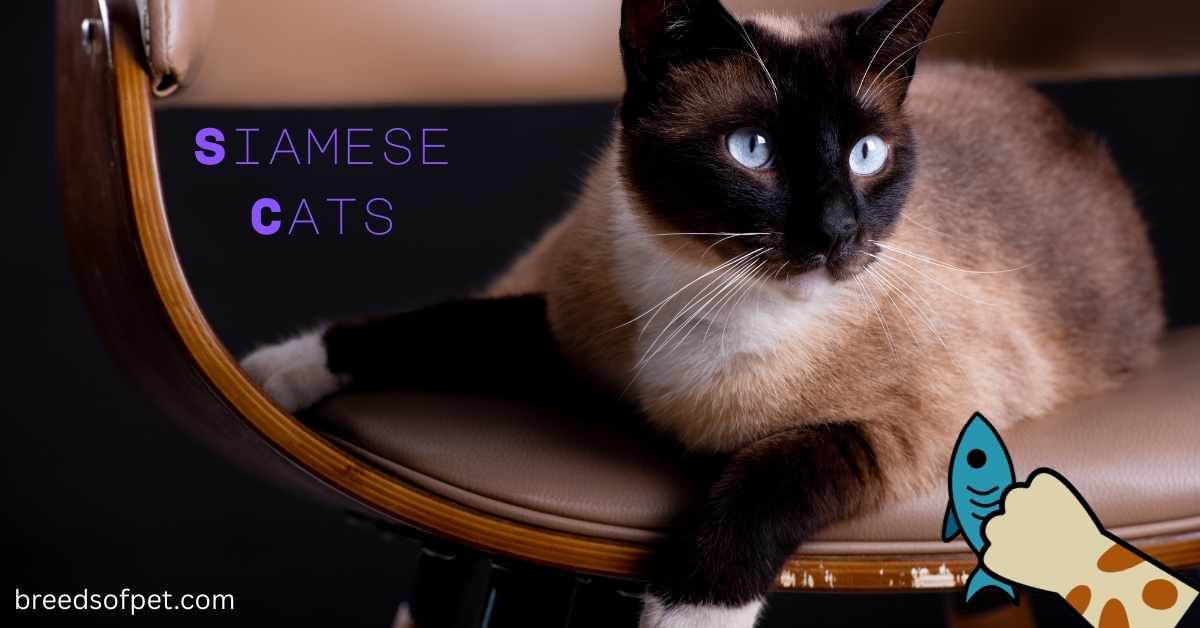
Renowned for their stunning color-point patterns and enchanting blue eyes, samese cats are among the most identifiable and adored cat breeds worldwide. Siamese cats have won over cat enthusiasts for ages with their elegant bodies, unique vocalizations, and clever personalities. Originally from Thailand (previously Siam), these graceful cats have a long history as esteemed friends of royalty and have now become very common family pets all over. From their distinctive physical traits and many color points to their health issues, nutritional requirements, and normal lifespan, this all-inclusive guide about Siamese cats will provide Whether you currently own a Siamese cat or are thinking about acquiring one, this page will provide insightful analysis of these intriguing animals.
History and Origin of Siamese Cats
Contents
- 1 History and Origin of Siamese Cats
- 2 Physical Characteristics
- 3 Siamese Cat Varieties and Mixes
- 4 Temperament and Personality
- 5 Health and Lifespan
- 6 Grooming and Shedding
- 7 Siamese Cat Food and Nutrition
- 8 Adopting a Siamese Cat
- 9 Siamese Cat Products and Accessories
- 10 Siamese Cat Colors and Patterns
- 11 Living with a Siamese Cat
- 12 FAQ About Siamese Cats
- 13 Is Siamese Cats Good Choice For You?
- 14 Resources and Further Reading
Ancient Beginnings
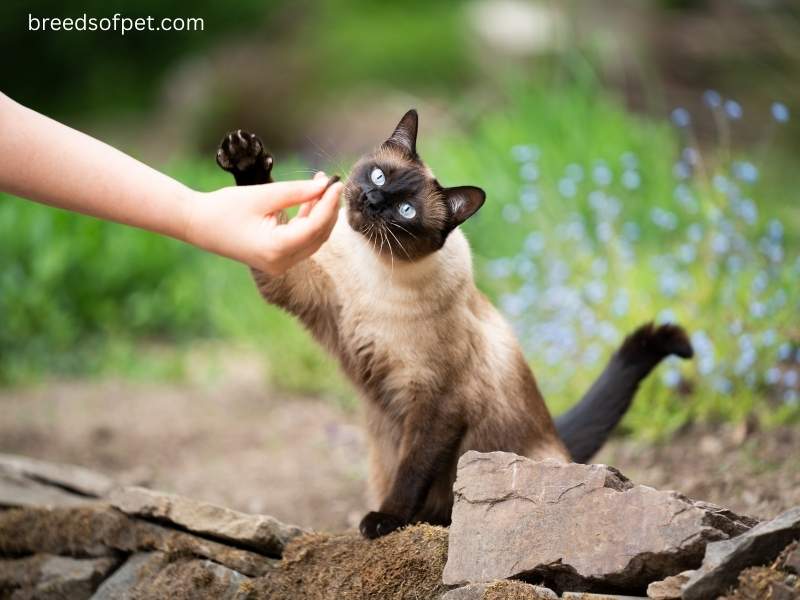
Originally prized by kings and housed in temples, samese cats came from Thailand (previously known as Siam. Historical records going back to the 14th century show cats that resemble modern Siamese cats. Considered holy and said to hold the spirits of fallen royal family members, these old cats
Journey to the West
Siamese cats originally arrived in the Western world in late 19th-century when the King of Siam presented a pair to a British consul general. Their unique look created quite a stir, and by 1885 Crystal Palace Cat Show in London had first Siamese cat on display. The breed first became somewhat well-known in Europe then in North America.
Evolution of the Breed
The appearance of Siamese cats has changed significantly over time:
- Traditional (Thai or Applehead): Rounder face, sturdier body
- Modern: More elongated features, slender body, wedge-shaped head
- Classic: A balanced middle ground between the two types
Today’s chocolate point Siamese cat or blue point Siamese varieties look quite different from their ancestors, as breeding has emphasized certain traits over others.
Physical Characteristics
Distinctive Color Points
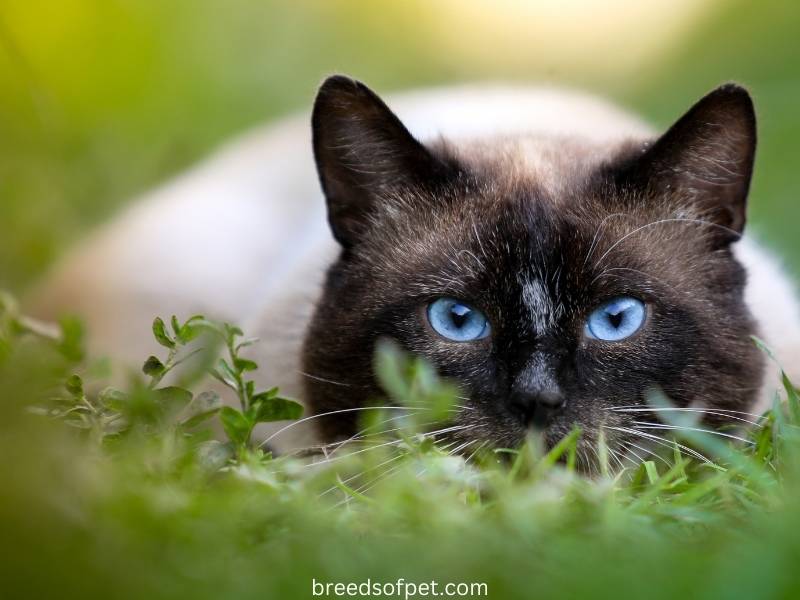
Siamese cat color point patterns are among the most identifiable traits of these animals. Their extremities—face, ears, paws, and tail—show deeper hue than their body. Most often occurring color points consist in:
- Seal Point: Dark brown, almost black points
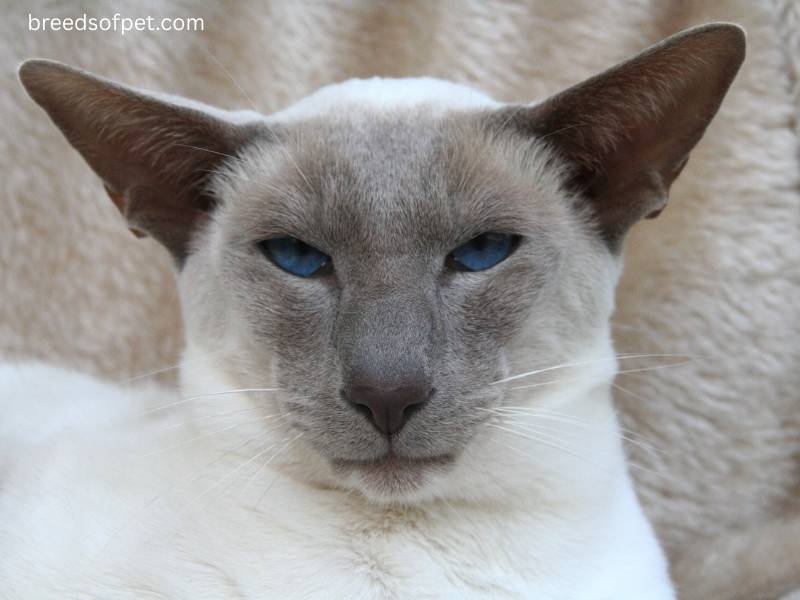
- Blue Point Siamese: Gray-blue points
- Chocolate Point Siamese Cat: Milk-chocolate brown points
- Lilac Siamese Cat: Pale, pinkish-gray points
- Cream Point Siamese Cats: Soft cream-colored points
- Flame Point Siamese Cat: Orange-red points
Less common but equally striking variations include the lynx Siamese cat (tabby pattern in the points), tortoiseshell Siamese cat combinations, and even the rare orange Siamese cat variant.
Body Structure

Modern Siamese cats typically have:
- Long, slim, muscular bodies
- Triangular or wedge-shaped heads
- Large, pointed ears
- Long, thin tail
- Medium to large size (8-12 pounds)
The Famous Blue Eyes
The Siamese cat blue eyes’ strong sapphire hue is maybe their most beautiful aspect. Blue eyes are a genetically related feature of all purebred Siamese cats that relates to their color point pattern. Eye color is also influenced by the gene causing the color point pattern, which produces the amazing azure stare that distinguishes these cats.
Siamese Cat Varieties and Mixes
Popular Siamese Mixes
Many well-known mixed breeds owe their popularity to the Siamese breed; some of the most sought-after combinations are:
Ragdoll Siamese Mix
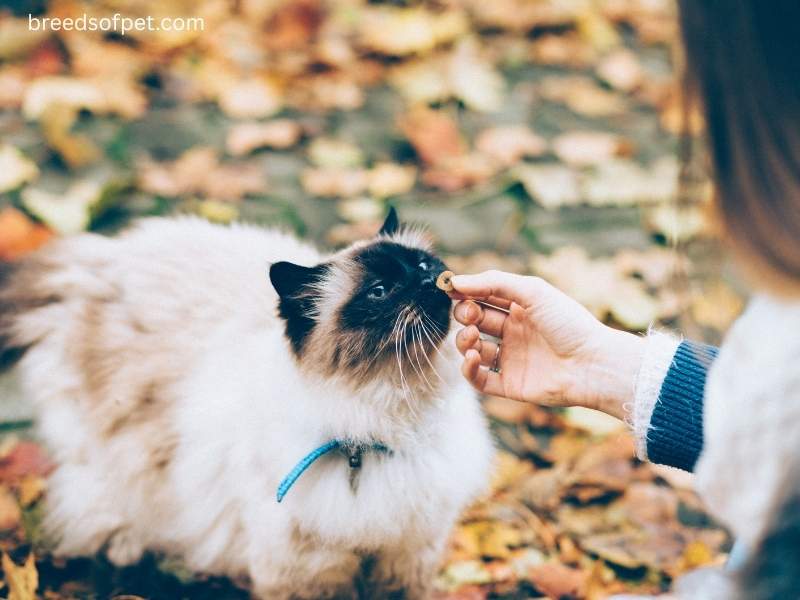
The ragdoll Siamese mix combines the color points and blue eyes of the Siamese with the large size and docile temperament of the Ragdoll. These cats often have semi-long fur and maintain the vocal nature of their Siamese ancestors while adopting some of the “floppiness” Ragdolls are known for.
Russian Blue Siamese Cat Mix
A Russian Blue Siamese cat mix blends the sleek gray coat of the Russian Blue with Siamese traits. These cats may have a diluted point pattern, striking blue eyes, and a personality that combines the Russian Blue’s quiet reserve with Siamese chattiness.
Mix Siamese Cat with Domestic Breeds
A mix Siamese cat can result from crossing Siamese with domestic shorthairs or other breeds. These cats often retain some Siamese physical characteristics and personality traits but with greater variety in appearance and temperament. Adopting a mix Siamese cat from a shelter can be a wonderful way to enjoy Siamese traits in a unique package.
Color Variations
Gray Siamese Cat
While not technically recognized as an official Siamese color point, the term gray Siamese cat often refers to Blue Point Siamese cats. These cats have bluish-gray points against a pale silver-gray body.
Siamese and Black Cat Combinations
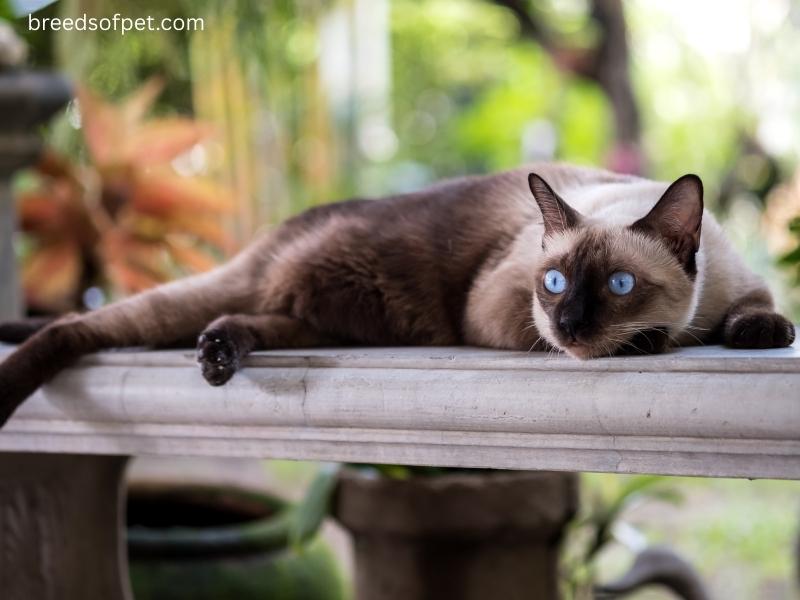
A Siamese and black cat mix might refer to a seal point Siamese, which has the darkest points that appear almost black, or it could describe various mixed-breed cats that combine Siamese and black cat genetics.
Specialty Types
The lynx Siamese cat, also known as Lynx Point or Tabby Point, features tabby striping within their points. This striking variation combines the classic Siamese color point pattern with tabby markings, creating a wild, exotic appearance.
Temperament and Personality
Social Nature
Extremely gregarious, samese cats develop close relationships with their human owners. Their devotion and want to participate in whatever their owners do have many people characterizing them as “dog-like”. Left alone for extended periods of time, these cats struggle and could develop separation anxiety.
Intelligence and Trainability
Consistently ranked among the most intelligent cat breeds, Siamese cats:
- Can learn tricks and commands
- Often understand how to open doors and cabinets
- Can be taught to walk on a leash
- Excel at puzzle toys and interactive games
Vocal Communication
Siamese cats are quite chatty. Their unique, booming calls span delicate chirps to demanding yowls. will won’t hesitate to voice their needs or ideas, and will “converse” with their owners all day.
Energy Level
With their athletic build, Siamese cats are active and playful well into adulthood. They need:
- Regular play sessions
- Climbing opportunities
- Interactive toys
- Mental stimulation
Without adequate exercise and attention, a Siamese may become bored and develop behavioral problems.
Health and Lifespan
How Long Do Siamese Cats Live?
Many prospective owners wonder, “How long do Siamese cats live?” Typically, Siamese cats enjoy a longer lifespan than many other breeds, with most living between 12-20 years. With proper care, nutrition, and regular veterinary check-ups, many Siamese cats reach their late teens or even early twenties.
| Siamese Type | Average Lifespan | Common Health Concerns |
| Traditional | 15-20 years | Fewer genetic issues |
| Modern | 12-15 years | More prone to hereditary conditions |
| Mixed Breeds | 12-18 years | Variable, often healthier |
Common Health Issues
While generally healthy, Siamese cats can be prone to certain hereditary conditions:
- Progressive Retinal Atrophy (PRA)
- Amyloidosis (kidney disease)
- Heart disease (hypertrophic cardiomyopathy)
- Respiratory issues
- Dental problems
- Cross-eyes (less common in modern breeding)
- Feline Hyperesthesia Syndrome (FHS) – a neurological condition sometimes referred to as “fho” by some owners
Parasites in Cats: Prevention for Siamese
Like all felines, Siamese cats can be affected by various parasites in cats, including:
- External parasites: Fleas, ticks, ear mites
- Internal parasites: Roundworms, hookworms, tapeworms
Regular preventative treatments and veterinary check-ups are essential to keep your Siamese cat healthy and parasite-free. Because of their short coats, parasite detection may be easier in Siamese cats compared to long-haired breeds.
Grooming and Shedding
Do Siamese Cats Shed?
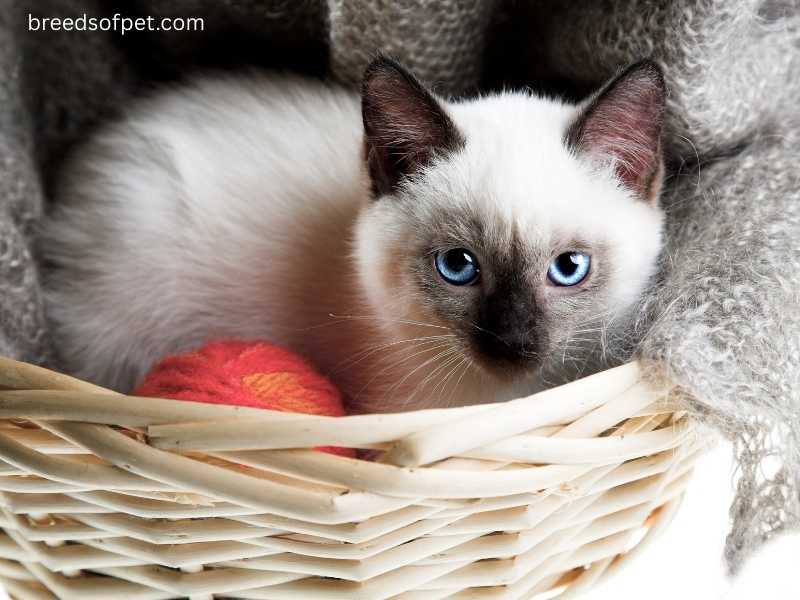
One often asked question by potential owners is “Do Siamese cats shed?” Though usually fewer than many other breeds, the answer is yes. Although their coats are short and fine and they shed, samese cats have usually controllable shedding. They shed seasonally in spring and autumn, and during these transitional times they shed more heavily.
Grooming Requirements
Siamese cats are relatively low-maintenance when it comes to grooming:
- Weekly brushing is usually sufficient
- During shedding seasons, increase to 2-3 times weekly
- Occasional baths may be needed but are rarely necessary
- Regular nail trimming, ear cleaning, and dental care are important
Their short coats don’t mat or tangle easily, making them a good choice for owners who prefer minimal grooming responsibilities.
Siamese Cat Food and Nutrition
Dietary Needs
Proper Siamese cat food should address their specific nutritional requirements. As an active breed with a lean body type, Siamese cats benefit from:
- High-quality protein sources (chicken, turkey, fish)
- Moderate fat content
- Limited carbohydrates
- Adequate taurine (an essential amino acid)
- Proper hydration (many benefit from wet food or a water fountain)
Weight Management
Given their thin form, weight growth in Siamese cats may be especially challenging. Among the many health concerns obesity may cause are joint problems and diabetes. Maintaining their naturally beautiful body depends on frequent workout and good diet.
Special Dietary Considerations
Some Siamese cats may have specific dietary needs or restrictions:
- Older Siamese might require senior formulas with joint support
- Kidney disease (more common in older Siamese) may necessitate prescription diets
- Food allergies can occur and may require specialized diets
Always consult with your veterinarian before making significant changes to your cat’s diet, especially if they have existing health conditions.
Adopting a Siamese Cat
Finding Reputable Sources
When looking to bring a Siamese cat into your home, consider:
- Breed-specific rescues that specialize in Siamese cats
- Reputable breeders who prioritize health and temperament
- Local shelters that occasionally have Siamese and mix Siamese cat options
Cost Considerations
The price of a Siamese cat varies widely depending on several factors:
| Type | Price Range | Factors Affecting Price |
| Purebred Kittens | $600-$2,500 | Lineage, color point, breeder reputation |
| Flame point Siamese cat price | $800-$2,000 | Rarity of coloration, pedigree |
| Adult Rescues | $75-$300 | Age, health status, rescue organization |
| Mix Siamese cat | $100-$400 | Appearance, health, source |
Beyond the initial adoption cost, prospective owners should budget for ongoing expenses including veterinary care, quality Siamese cat food, supplies, and possible pet insurance.
Preparing Your Home
Before bringing home a Siamese cat:
- Cat-proof your living space
- Prepare climbing and perching areas
- Set up multiple litter boxes
- Acquire interactive toys for mental stimulation
- Create cozy sleeping spots
- Consider getting companion pets (Siamese often enjoy feline friends)
Siamese Cat Products and Accessories
Essential Items
To keep your Siamese cat happy and healthy, consider investing in:
- Quality climbing trees or shelves
- Interactive puzzle toys
- Comfortable beds
- Scratching posts (multiple types)
- Water fountain (many Siamese prefer running water)
Siamese Cat Plush and Collectibles
For people who value Siamese-themed objects, collectibles and plush toys of Siamese cats are great presents for cat lovers. The lifelike look and soft feel of the Jellycat Siamese cat plush appeal especially. These unique traits of the breed are captured in these collectibles, which also provide lovely accent pieces for Siamese cat aficioners.
Siamese Cat Colors and Patterns
Traditional Color Points
The classic Siamese color points include:
Seal Point
The original and most recognized Siamese coloration, featuring dark brown (almost black) points against a cream body.
Blue Point Siamese
Blue point Siamese cats have slate gray-blue points with a bluish-white body. This coloration results from a dilution gene affecting the seal point coloration.
Chocolate Point
The chocolate point Siamese cat displays medium to light brown points with an ivory body. This warm, milk-chocolate color is distinct from the darker seal point.
Lilac Point
A lilac Siamese cat has pale, pinkish-gray points with a white body that has a pinkish tone. This is the dilute version of the chocolate point.
Modern Variations
Modern breeding has expanded the color palette of Siamese cats to include:
Cream Point
Cream point Siamese cats feature pale orange-cream colored points with an off-white body.
Flame Point
The flame point Siamese cat (also called Red Point) displays vibrant orange-red points against a creamy white body. The flame point Siamese cat price may be higher than more common colorations due to their relative rarity.
Tortie Point
A tortoiseshell Siamese cat combines tortoiseshell patterns within the point areas, creating a mottled appearance of two colors in the mask, ears, paws, and tail.
Lynx and Tabby Points
Lynx Siamese cat varieties (also called Tabby Points) feature striped tabby patterns within their points. This creates distinctive markings that resemble those of wild lynx cats, with striped legs, tails, and facial markings including the characteristic “M” on the forehead.
Living with a Siamese Cat
Creating an Enriching Environment
Siamese cats thrive in environments that provide:
- Vertical space (cat trees, wall shelves)
- Window perches for observation
- Interactive play opportunities
- Puzzle feeders and toys
- Human interaction and companionship
Multi-Pet Households
Siamese cats generally do well with other pets when properly introduced. They often enjoy the company of:
- Other cats (particularly another Siamese or active breed)
- Cat-friendly dogs
- Some even form bonds with smaller pets
However, due to their high prey drive, supervision is always recommended with small animals like birds or rodents.
Indoor vs. Outdoor Living
Most veterinarians and breeders recommend keeping Siamese cats as indoor pets because:
- Their light coloration makes them more visible to predators
- They’re valuable and may be targets for theft
- Their friendly nature might lead them to approach strangers
- They’re susceptible to skin cancer due to their light coloration
If outdoor access is desired, supervised outings in a secure enclosure or harness training are safer alternatives to free-roaming.
FAQ About Siamese Cats
H4: Why are Siamese cats so special?
Siamese cats are distinctive in look, behavior, and rich history. Their elegant physique, almond-shaped blue eyes, and color-pointed coats help one to identify them immediately. Still, their intellect and kind demeanor really distinguishes them. Siamese cats are renowned for being talkative, sociable, and fiercely loyal to their owners. They usually “talk” to let their requirements be known and flourish on connection. Originally from Thailand, they have long been revered and even housed by kings. Siamese cats are not just pets but also very remarkable friends because of their sophisticated appearances and dog-like devotion.
H4: Are Siamese cats good pets?
Indeed, for the proper owners, Siamese cats are great pets. Strong ties with their people are formed by these friendly, clever, extremely sociable creatures. Often noted for their vocal quality, they like “talking” and helping out with everyday tasks. Families or people who can spend quality time with samese cats will find them perfect as they thrive on attention and company. They like learning tricks, playing, and drawing attention to themselves. If left alone for extended lengths of time, however, they may not flourish. Siamese cats may be loving, devoted, and fun lifetime friends with correct care and engagement.
H4: Can Siamese cats be left alone for long periods?
Siamese cats are highly social and do not tolerate solitude well. They can become depressed or develop behavioral problems if regularly left alone for extended periods. If you work long hours, consider getting a companion cat or providing extensive environmental enrichment.
H4: Why do some Siamese cats have crossed eyes?
The traditional Siamese cat sometimes had crossed eyes due to the same genetic mutation that causes their color points and blue eyes. Modern breeding has largely eliminated this trait, but it can still occasionally appear, especially in traditional-style Siamese.
H4: How can I tell if my cat is a true Siamese or a mix Siamese cat?
Without papers, it can be difficult to determine if a cat is purebred Siamese. Look for characteristic features like blue eyes, color points, and a sleek body. DNA tests are available but primarily identify broad genetic ancestry rather than specific breeds. A mix Siamese cat may display some but not all typical Siamese traits.
H4: What’s the difference between a Siamese cat and a Ragdoll Siamese mix?
A purebred Siamese has a short coat, sleek body, and distinctive color points. A ragdoll Siamese mix typically has longer fur, a larger and more robust body, and may have the color points and blue eyes. Temperamentally, the mix might be less vocal and more laid-back than a pure Siamese.
H4: Do gray Siamese cats exist as a recognized color variant?
What many people call a gray Siamese cat is typically a Blue Point Siamese. True Siamese cats have color points, meaning their bodies are lighter than their extremities. A solid gray cat would not be a purebred Siamese but might be a Russian blue Siamese cat mix or another gray breed with some Siamese ancestry.
Do Siamese cats like to be touched?
Indeed, Siamese cats like personal attention and usually adore to be stroked. They are said to be people-oriented and loving. Usually accepted are petting, hugging, and lap time—especially from their favorite people. Still, their tastes will differ, hence it’s crucial to respect their limits just like with any cat.
Is Siamese Cats Good Choice For You?
With their remarkable looks, outspoken personality, and loving demeanor, samese cats are amazing friends. From the rarer flame point Siamese cat to the traditional blue point Siamese, these graceful cats provide a mix of intelligence and beauty few other breeds can equal. Their present popularity as cherished household pets worldwide has developed from their past as royal companions in ancient Siam.
Understanding their demands can help you to provide a happy, healthy life for these clever cats whether your inclination is for the classic look of an applehead Siamese or the current sleek style. A Siamese cat may be your committed friend for 15 to 20 years or more with the right diet, care, and attention.
Remember that Siamese cats flourish on companionship and stimulation if you are thinking of bringing one into your home. They are active participants in domestic life who will demand your attention and repay you with unflinching love and affection; they are not autonomous loungers.
The unique appeal of the Siamese is sure to grab your heart whether you choose a purebred kitten from a breeder, adopt a mix Siamese cat from a shelter, or even start your collection with a Jellycat Siamese cat plush while you get ready for the real thing.
Resources and Further Reading
- The Cat Fanciers’ Association – Siamese Breed Profile
- International Cat Association – Siamese Breed Standard
- Cornell University College of Veterinary Medicine – Feline Health Center
- Siamese Cat Rescue Center
- Journal of Feline Medicine and Surgery – Common Health Issues in Siamese Cats
Read More https://breedsofpet.com/