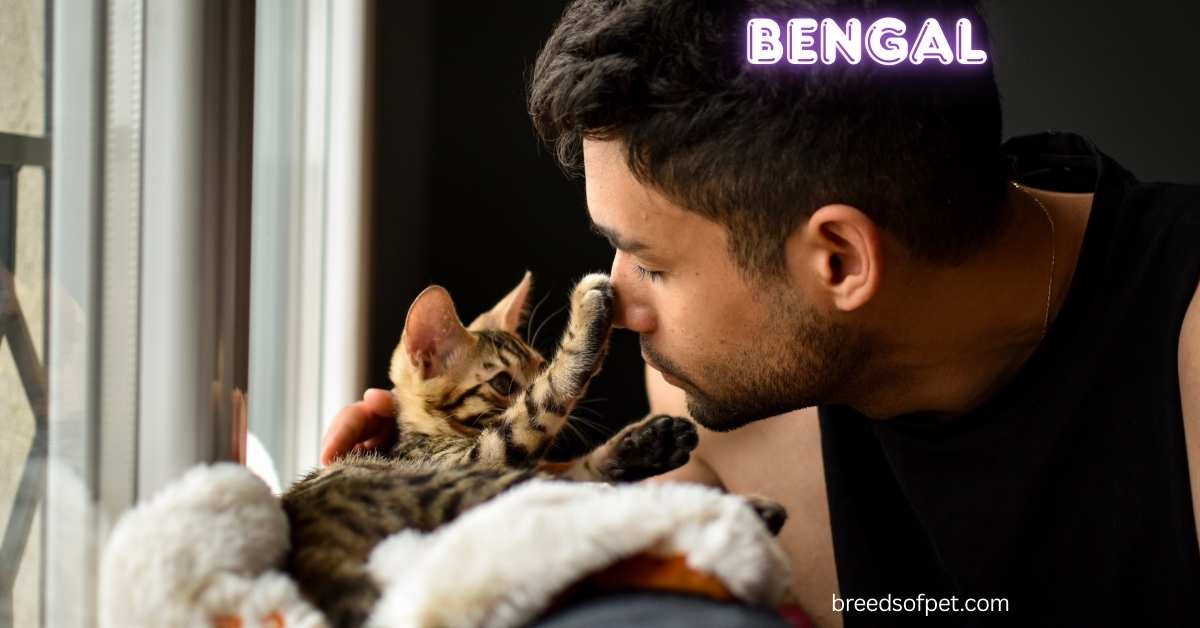
Bengal Cats: The Complete Guide with All You Need to Know
Bengal Cat
Contents
- 1 Bengal Cat
- 2 What Is a Bengal Cat?
- 3 Physical Characteristics: What Does a Bengal Cat Look Like?
- 4 Bengal Cat Color Variations
- 5 Bengal Cat Generations
- 6 Bengal Vs. Other Exotic Breeds
- 7 Care and Maintenance
- 8 Long Haired Bengal Cat
- 9 Melanistic Bengal Cat
- 10 Hypoallergenic Properties: Are Bengal Cats Hypoallergenic?
- 11 Bengal Cat Cost and Pricing
- 12 Insurance for Bengal Cats
- 13 Legal Considerations: Are Bengal Cats Legal?
- 14 Bengal Cat Ownership Experience
- 15 Bengal Breeding
- 16 Frequently Asked Questions
- 17 Is Bengel Cat for you?
- 18 External Resources
Bengal cats have a wild appearance and an active personality. Cat enthusiasts all over appreciate these domestic cats because of their unique spotted or marbled coats that mimic their wild counterparts.
Bengal cats are interesting housemates as they look like leopard cats and act like domestic cats. Their origins, look, care, and color variants are covered in great depth here. Whether you’re considering bringing one into your house or simply fascinated by these amazing animals, our authoritative Bengal cat guide includes everything you should know about them.
What Is a Bengal Cat?
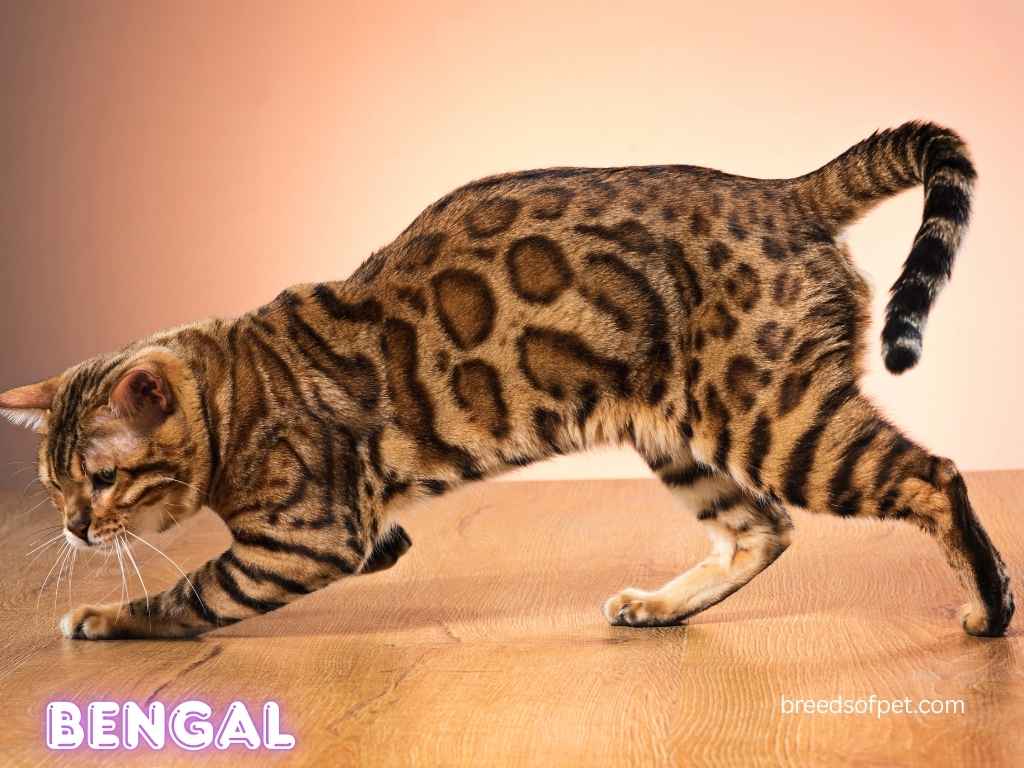
Mixing Asian leopard cats (Prionailurus bengalensis) with domestic cats helped to create the Bengal cat. In the 1960s American breeder Jean Mill combined an Asian leopard cat with a domestic shorthair. It aimed to create a leopard cat with a wild, exotic appearance but a domesticised attitude.
In 1991 the International Cat Association (TICA) granted Bengals championship status. Following in 1997 was the ACFA.
Origin and History
Jean Mill helped create the Bengal breed after launching her breeding business in California. Her 1960s cross marked a stop in the breeding program. Using cats from India, where leopard cats had mixed with domestic cats, Mill went back to work in the 1980s.
“Bengal originates from Prionailurus bengalensis, the Asian leopard cat. Though they look unusual, modern Bengals are several generations from their wild beginnings and act like household cats.
Temperament and Personality
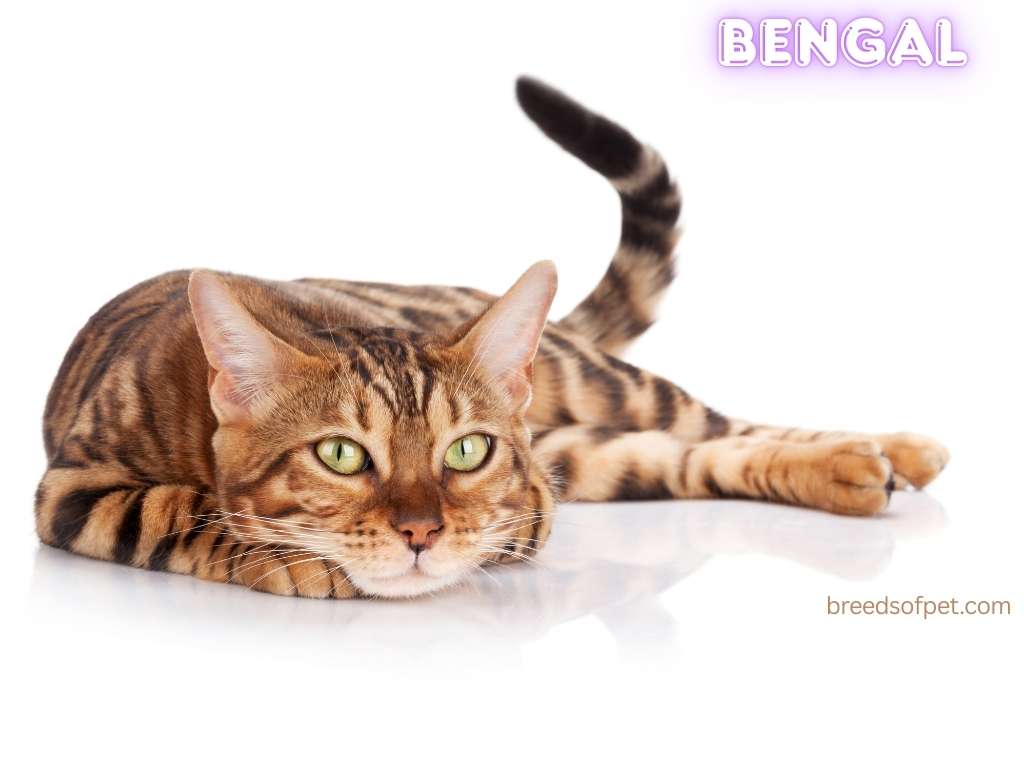
Bengal cats are known for their
- High energy levels and playfulness
- Intelligence and curiosity
- Strong attachment to their human families
- Vocal nature with a diverse range of sounds
- Love for water, unlike many domestic cats
These are lively, athletic friends that need mental and physical stimulation; they are not your usual lap cat. Their intelligence makes them very trainable; many Bengal owners educate their cats to walk on a leash or execute stunts.
Physical Characteristics: What Does a Bengal Cat Look Like?
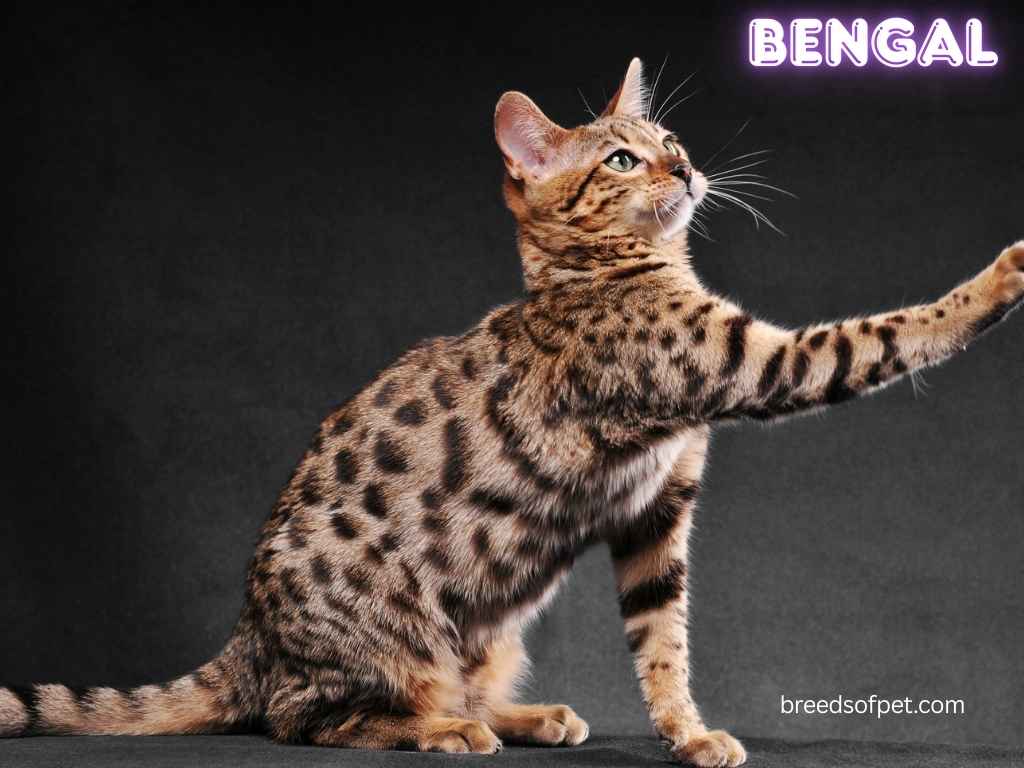
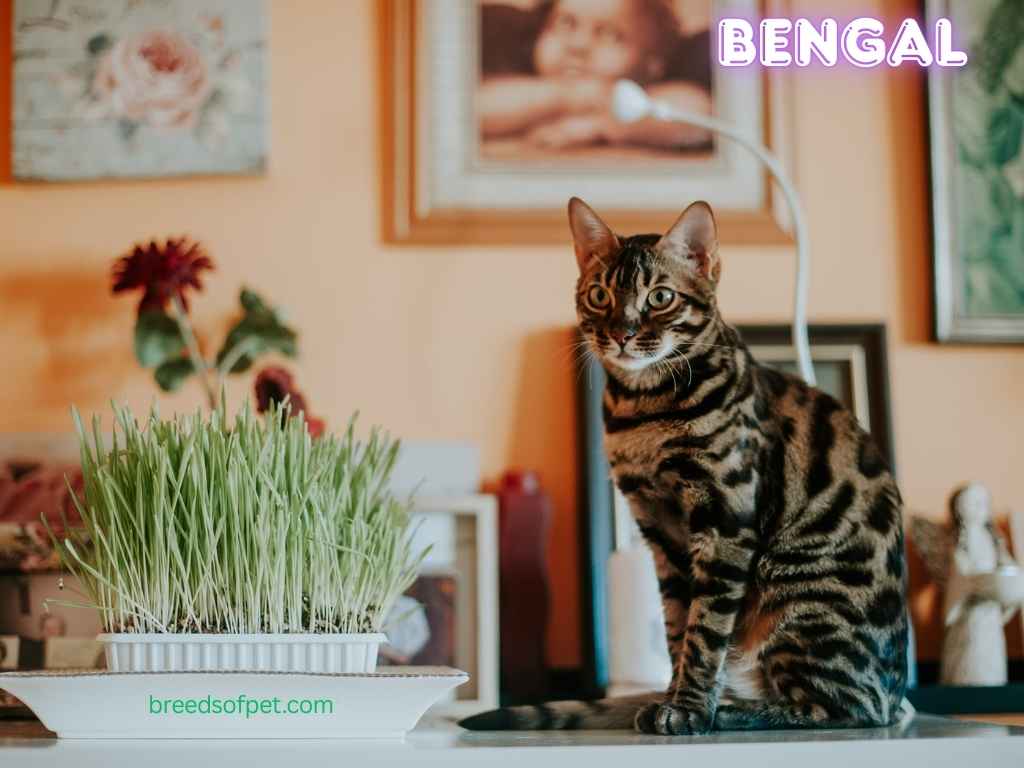
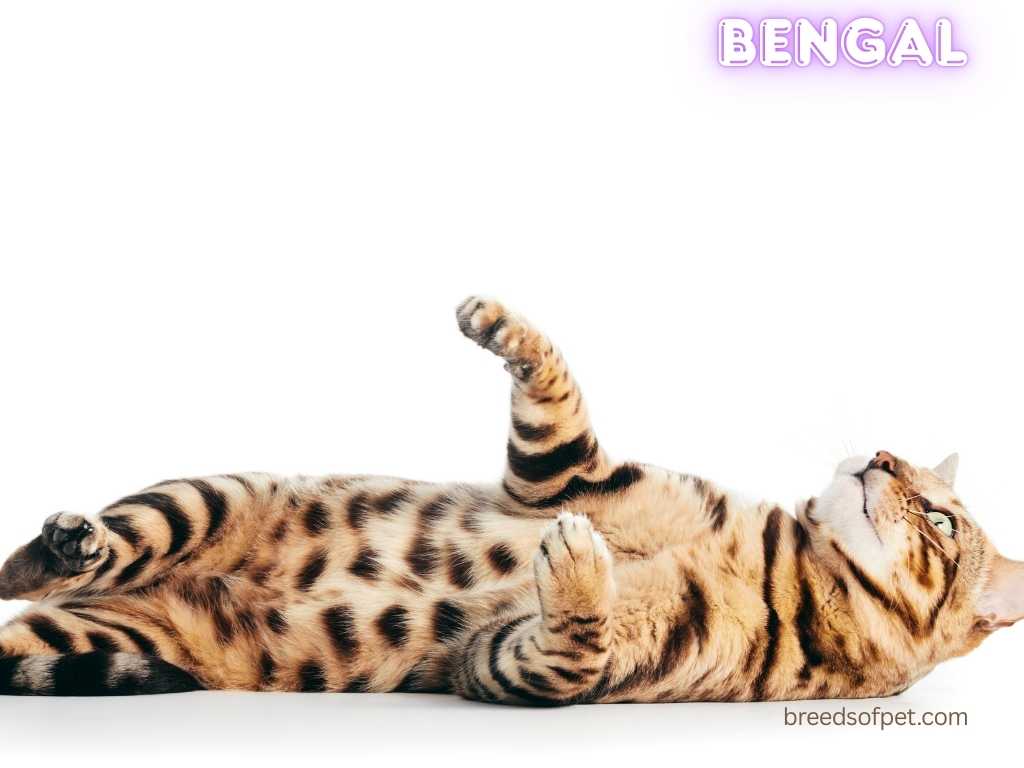
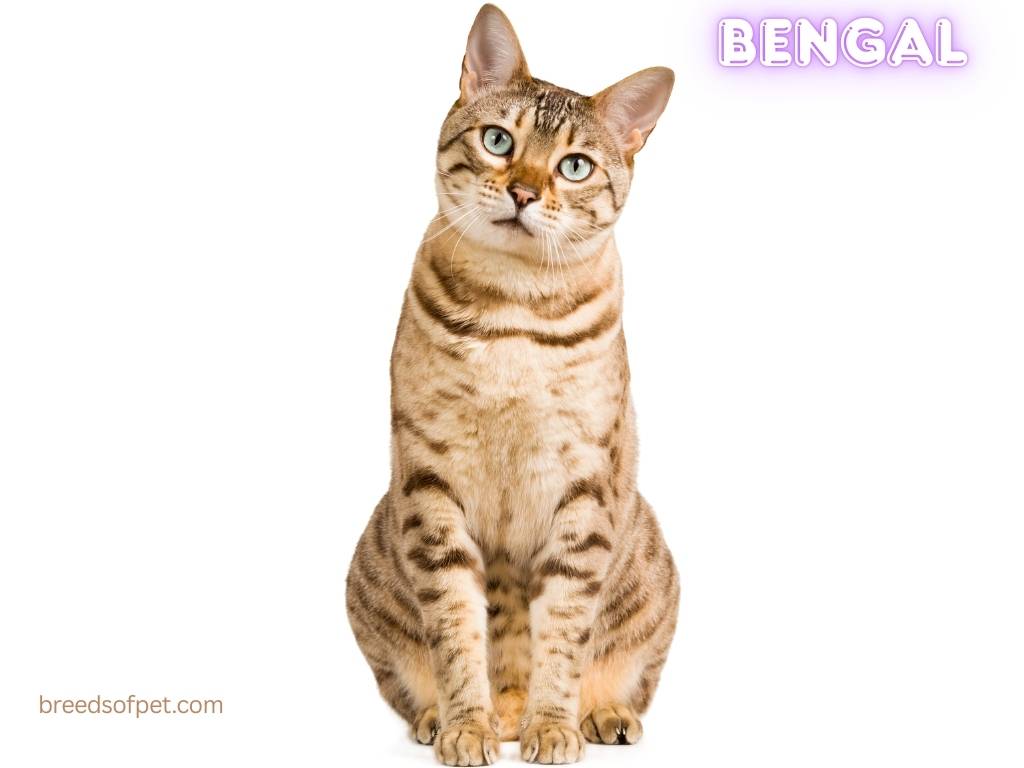
The coat pattern of a Bengal cat, which mimics a leopard or jaguar, is particularly unique. These cats’ strong, athletic physique helps to explain their wild look.
Coat Patterns
Bengals display two primary coat patterns:
- Spotted: Distinct spots arranged horizontally rather than in random fashion
- Marbled: Horizontal swirled patterns with no resemblance to the classic tabby pattern
Both designs provide clear contrast between the marks and the backdrop color. Excellent Bengals often show what breeders refer them as “glitter,” a shimmering appearance that gives their coat light-appealing gloss.
Body Structure
The physical structure of what a Bengal cat looks like includes:
- Medium to large size with males typically larger than females
- Muscular, athletic build
- Long, sturdy body with hindquarters slightly higher than shoulders
- Small head relative to body
- Prominent whisker pads and high cheekbones
- Large, oval eyes typically green or gold in color
- Medium-sized ears with rounded tips
Size and Weight
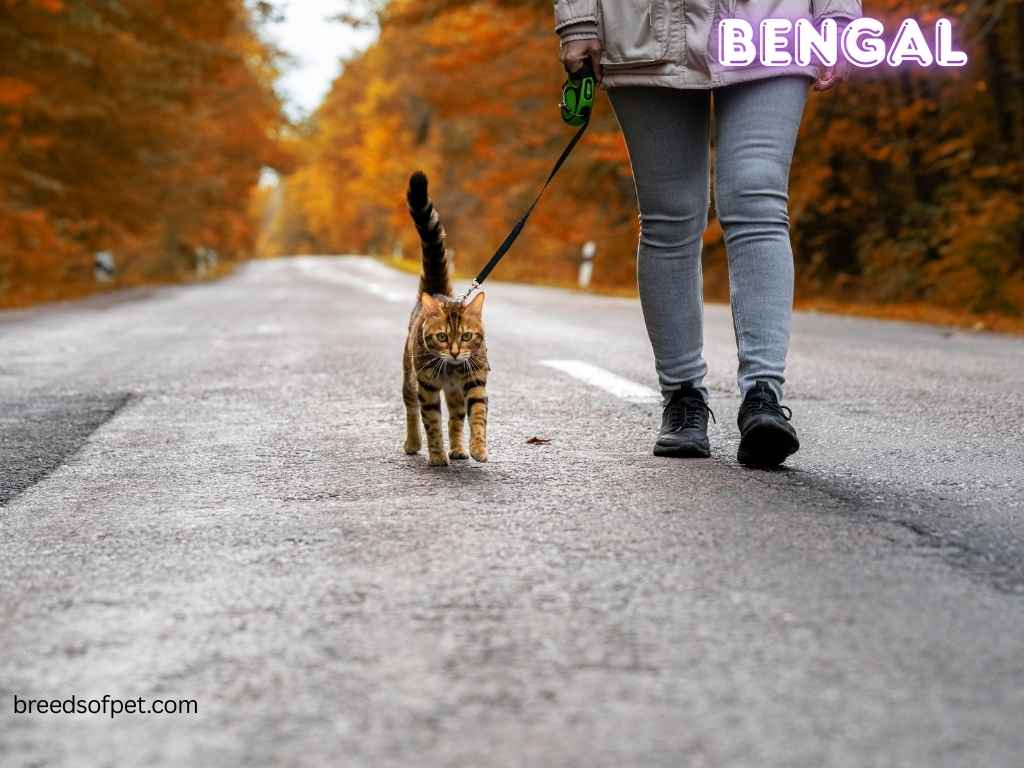
How big can a Bengal cat get? While females are somewhat smaller at 8-12 pounds (3.5-5.5 kg), adult Bengal males usually weigh between 10-15 pounds (4.5-7 kg). Not counting their tail, they stand around 8–10 inches (20–25 cm) tall and may reach lengths of 13–16 inches (33–40 cm).
Below is a comparison of Bengal cat sizes across different ages:
| Age | Weight (Male) | Weight (Female) | Height | Length (excluding tail) |
| 3 months | 3-5 lbs | 2.5-4 lbs | 5-6 inches | 7-9 inches |
| 6 months | 5-8 lbs | 4-7 lbs | 6-8 inches | 9-12 inches |
| 1 year | 8-12 lbs | 7-10 lbs | 7-9 inches | 12-15 inches |
| Adult (2+ years) | 10-15 lbs | 8-12 lbs | 8-10 inches | 13-16 inches |
Bengal Cat Color Variations
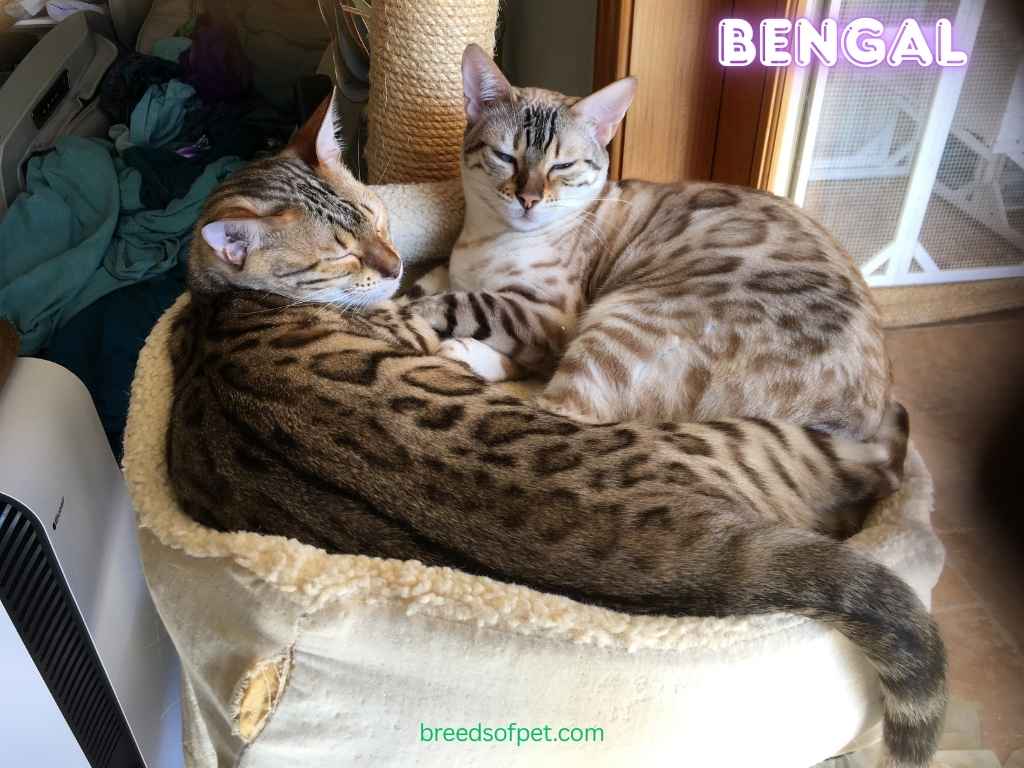
Bengal cats come in many hues and patterns, each with unique traits that set them apart.
Black Bengal Cat
Known by many as the melanistic Bengal, the black Bengal cat has a pure black coat with ghost patterns seen in certain lighting situations. This variant results from a hereditary mutation causing too much melanin synthesis.
Melanistic Bengals still have the unique patterning of their spotted or marbled cousins, but the black coat hides these designs. You could see the ghosted pattern of marbles or dots on their coat in direct sunlight.
Silver Bengal Cat
The pale silver or virtually white backdrop of the silver Bengal cat is dark gray to black marked. An inhibitor gene that reduces pigment generation in the hair shaft causes this coloring.
Silver Bengals looks rather remarkable with their cool-toned backdrop against their marks. Unlike some other color variants in which the pattern develops over time, the patterns in silver Bengal kittens are typically obvious from birth.
Snow Bengal Cat
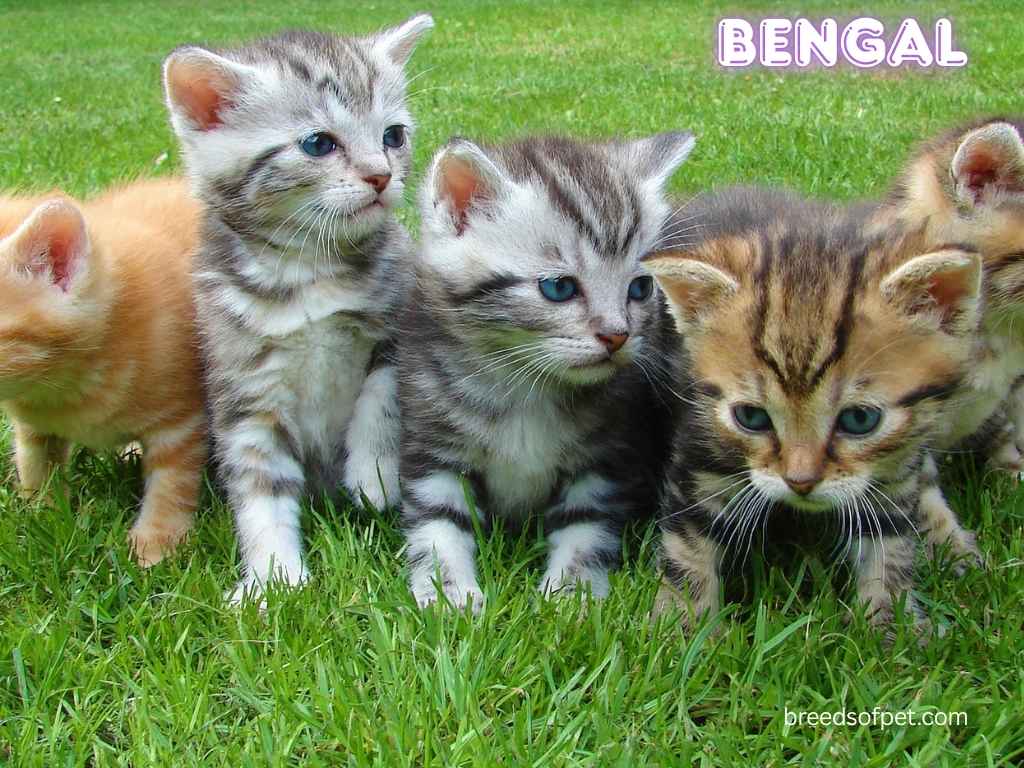
Snow Bengal cats come in three varieties, each displaying white to cream-colored backgrounds with darker markings:
- Snow Lynx Bengal Cat: Lightest of the snow variations with light cream base and dark markings
- Snow Mink: Slightly darker cream background with darker markings
- Snow Sepia: Darkest of the snow variations with a more pronounced contrast
The snow lynx Bengal cat is particularly notable for its blue eyes, a characteristic not found in other Bengal variations. This trait comes from the Siamese cats used in their development.
White Bengal Cat
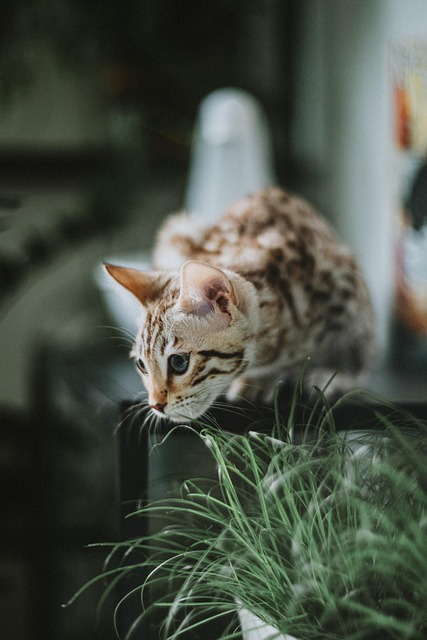
Although actual white Bengals are somewhat uncommon, some breeders use this word to describe exceptionally light snow Bengals. As the Bengal pattern genes are dominant, a white Bengal cat devoid of marks would constitute a genetic aberration in the breed.
Usually sold as a white Bengal, this garment features very faint marks hardly seen against a cream or ivory backdrop. These cats still have the Bengals pattern genes.
Tabby Bengal Cat
Although all Bengals technically have tabby patterns—spots and marbles are varieties of tabby patterns—what is frequently referred to as a tabby Bengal cat is generally a Bengal with a mackerel or classic tabby pattern rather than the more desired spotted or marbles pattern.
Though they have more conventional home cat tabby markings, these patterns nonetheless show the unique Bengal traits such strong body and glittering hair.
Snow Leopard Bengal Cat
Snow leopard Bengal cats allude to snow Bengals with patterns evocative of natural snow leopards. Usually reflecting their wild counterparts, these cats have bigger, cloudy markings or rosettes on a light backdrop.
Though these cats are still Asian leopard cat hybrids with selective breeding for looks, their likeness to the endangered snow leopard makes this variety much sought after—though there is no true snow leopard DNA in these cats.
Bengal Cat Generations
Bengal cats are classified by generations that indicate how far removed they are from their wild ancestor, the Asian leopard cat.
F1 Bengal Cat
An F1 Bengal cat is a first-generation hybrid, meaning it’s the direct offspring of an Asian leopard cat and a domestic cat. These cats are:
- 50% Asian leopard cat and 50% domestic cat
- The most wild-like in behavior and appearance
- Often not suitable as typical household pets
- Subject to ownership restrictions in many locations
- Generally larger than later generations
- Rarely available to pet owners and very expensive
F1 Bengals could show more wild acts like greater hunting instincts, more territorial behavior, and less consistent social contact pattern. Usually, they demand for experienced proprietors that know their particular requirements.
F2 Bengal Cat
An F2 Bengal cat is the offspring of an F1 Bengal bred back to a domestic cat, making them:
- 25% Asian leopard cat and 75% domestic cat
- Still exhibiting some wild traits but more domesticated than F1s
- Often subject to ownership restrictions in some regions
- More adaptable to household living than F1s
F2 Bengals usually shows significant Bengal traits but with temperaments more fit for home surroundings. They could still need more specialist treatment and understanding, nevertheless, than previous generations.
F3 and F4 Generations
The transition generations are F1 Bengals (12.5% Asian leopard cat) and F2 Bengals (6.25% Asian leopard cat). Usually registered as SBT (Stud Book Tradition), F4 Bengals are regarded as the first really tamed generation and are qualified for display and breeding projects.
SBT Bengals (F5 and Beyond)
Most pet Bengals are F5 or later generations, also called SBT Bengals. These cats are:
- At least four generations removed from the Asian leopard cat
- Fully domesticated in behavior and temperament
- Legal to own in most regions without special permits
- Suitable for typical household environments
SBT Bengals retain the distinctive appearance of their wild ancestors but with predictable, domestic temperaments that make them suitable as family pets.
Bengal Vs. Other Exotic Breeds
When comparing exotic cat breeds, the Bengal is often contrasted with other wild-looking domestic cats.
Savannah vs Bengal Cat
The Savannah vs Bengal cat comparison reveals distinct differences:
| Characteristic | Bengal Cat | Savannah Cat |
| Wild Ancestor | Asian leopard cat | Serval |
| Size | Medium to large | Large to very large |
| Pattern | Spots or marbles | Spots only |
| Temperament | Active, playful | Extremely active, more dog-like |
| Water Affinity | Likes water | Often avoids water |
| Price Range | $1,500-$5,000 | $1,500-$20,000+ |
| Legality | Legal in most areas | Restricted in many areas |
Although both breeds have wild origin and spotted markings, Savannahs sometimes are bigger and show more dog-like traits like devotion and trainability for leash walking and fetching.
Savannah Bengal Cat Mix
A Savannah Bengal cat mix would be a cross between a Bengal and a Savannah cat. These hybrids combine characteristics of both breeds, potentially resulting in:
- A larger size than typical Bengals
- Distinctive spotted patterns with high contrast
- Extremely active temperament
- Potentially more challenging pet ownership experience
Rare and not accepted by most cat groups are these mixed breeds. In places where hybrid cats are banned, they could also run legal ownership issues.
Care and Maintenance
Taking care of a Bengal cat calls for knowledge of their particular demands for physical exercise, cerebral stimulation, and health monitoring.
Activity Requirements
Bengals are among the most active domestic cat breeds. Their care should include:
- Multiple play sessions daily
- Vertical space for climbing (cat trees, shelves)
- Interactive toys that challenge their intelligence
- Puzzle feeders to engage their hunting instincts
- Supervised outdoor time in a secure enclosure or on a leash
Bengals could acquire behavioral issues include incorrect elimination, destructive behavior, or too loud vocalization without enough exercise and stimulation.
Grooming: Do Bengal Cats Shed?
Do Bengal cats shed? Indeed, but comparatively speaking to many other breeds. Their pelt-like coat calls for less upkeep than that of longer-haired cats. A grooming regimen should call for:
- Weekly brushing to remove loose hairs and distribute skin oils
- Occasional bathing (many Bengals enjoy water)
- Regular nail trimming
- Dental care with cat-safe toothpaste
- Ear cleaning as needed
While no cat is truly non-shedding, Bengals’ minimal shedding makes them easier to maintain than many other breeds.
Diet and Nutrition
Bengals thrive on a high-quality diet that satisfies their high energy needs:
- High-protein diet (look for meat as the first ingredient)
- Limited carbohydrates
- Adequate hydration (many owners use fountains due to Bengals’ fascination with running water)
- Controlled portions to prevent obesity
Some Bengal owners choose feeds either raw or wet that more accurately reflect what their wild ancestors would have eaten. Before altering your cat’s food significantly, always see a veterinarian.
Health and Lifespan: How Long Do Bengal Cats Live?
How long do Bengal cats live? Though some have been known to survive into their late teens or even early twenties, Bengals usually have a 12–16 year lifetime with appropriate care.
Common health concerns for Bengals include:
- Hypertrophic cardiomyopathy (heart disease)
- Progressive retinal atrophy
- Patellar luxation
- Pyruvate kinase deficiency
- Flat-chested kitten syndrome
Regular veterinary checkups and genetic testing for breeding cats can help manage these health concerns.
Long Haired Bengal Cat
Although the breed standard specifies for short, thick coats, long haired Bengal cats can often seen. Called Cashmere Bengals as well, these cats have a recessive trait for longer hair.
Characteristics of Cashmere Bengals
Long-haired Bengals feature:
- Medium-length silky coat (not as long as Persian cats)
- The same distinctive patterns as short-haired Bengals
- Slightly more grooming requirements
- All the typical Bengal personality traits
While not approved in all cat registries, Cashmere Bengals are becoming more and more popular among Bengal aficioners. Their lengthier coat has less effect on their hypoallergenic properties compared to conventional Bengals.
Melanistic Bengal Cat
The melanistic Bengal cat represents one of the most striking color variations in the breed. These all-black Bengals display:
- Solid black coat with ghost markings visible in certain light
- Same physical structure and personality as other Bengals
- Often green or gold eyes that stand out against the dark coat
- All the typical Bengal characteristics in terms of activity level and intelligence
Melanistic Bengals are less common than spotted or marbled varieties and may be sought after by enthusiasts looking for a unique pet.
Hypoallergenic Properties: Are Bengal Cats Hypoallergenic?
Are Bengal cats hypoallergenic? Although no cat is absolutely hypoallergenic, Bengals produces less of the Fel d 1 protein that triggers human allergy responses. Their pelt-like short coat also catches less allergens.
Factors that contribute to their relative hypoallergenic qualities include:
- Minimal shedding compared to other breeds
- Low production of allergenic proteins in their saliva
- Fine, short coat that requires less grooming
- Lower dander production
While individual sensitivities vary, many individuals with mild to severe cat allergies claim less symptoms with Bengals. Those with allergies should spend time with a Bengal before adoption.
Bengal Cat Cost and Pricing
How much Bengal cat cost depends on several factors, including pedigree, color, pattern quality, and generation. Typical price ranges are:
| Quality/Type | Price Range |
| Pet Quality | $1,500-$3,000 |
| Show Quality | $3,000-$5,000+ |
| Breeding Rights | $4,000-$10,000+ |
| F1-F3 Generations | $5,000-$20,000+ |
| Rare Colors | Add $500-$2,000 |
Additional costs to consider include:
- Spay/neuter surgery ($200-$500)
- Initial vaccinations and health checks ($200-$300)
- Cat trees and enrichment ($300-$1,000+)
- High-quality food ($50-$100 monthly)
- Veterinary care ($200-$500 annually for routine care)
Insurance for Bengal Cats
Given their active nature and potential for genetic health issues, insurance for Bengal cats is something many owners consider. Key points to know:
- Premium costs typically range from $20-$50 monthly
- Coverage options include accident-only, accident and illness, or comprehensive plans
- Some plans cover genetic conditions common to Bengals
- Exotic pet insurance may be required for early-generation Bengals (F1-F3)
- Pre-existing conditions are typically not covered
When selecting insurance, consider:
- Coverage limits for hereditary conditions
- Waiting periods before coverage begins
- Deductible amounts
- Reimbursement percentages
- Wellness care coverage for routine visits
Legal Considerations: Are Bengal Cats Legal?
The legality of Bengal ownership varies significantly by location. Before acquiring a Bengal, research local regulations.
Are Bengal Cats Legal in Australia?
Are Bengal cats legal in Australia? The answer is complicated:
- F5 and later generations are generally permitted nationwide
- F1-F4 generations are prohibited in most states
- Each state has specific regulations:
- Queensland permits only F5 and beyond
- New South Wales allows F5 and beyond
- Victoria permits F5 and beyond
- Western Australia requires permits for all Bengals
- South Australia has specific registration requirements
Regulations in Other Countries
Regulations vary worldwide:
- United States: Laws vary by state and city; F1-F4 generations are often restricted
- United Kingdom: No nationwide restrictions, but F1-F4 may require Dangerous Wild Animal licenses
- Canada: Varies by province; some prohibit early generations
- New Zealand: All Bengal generations are permitted
- Singapore: Requires special permits for all Bengals
Bengal Cat Ownership Experience
Are Bengal Cats Good Pets?
Are Bengal cats good pets? They can be excellent companions for the right owners. Bengals are best suited for:
- Active households that can provide plenty of stimulation
- Owners willing to spend time playing and interacting daily
- Homes with vertical space and enrichment opportunities
- People who appreciate an intelligent, sometimes challenging pet
- Those seeking a dog-like cat that can learn tricks and walk on a leash
They may not be ideal for:
- Very quiet households seeking a calm lap cat
- Owners who work long hours with little time for interaction
- Those with minimal space for cat furniture and play areas
- People seeking a low-maintenance pet
Bengal Kitty Names
Choosing a name for a Bengal often reflects their wild appearance or distinctive personality. Popular Bengal kitty names include:
- Tiger, Tigger, Jungle
- Safari, Savanna, Serengeti
- Raja, Rajah, Khan
- Leopard, Leo, Leopold
- Jasper, Marble, Spotty
- Simba, Nala, Bagheera
- Hunter, Tracker, Scout
- Amber, Topaz, Jade (for eye colors)
- Zeus, Apollo, Athena
- Pharaoh, Cairo, Egypt
Names inspired by their wild heritage and exotic appearance are particularly fitting for these remarkable cats.
Bengal Breeding
Bengal breeding is a complex endeavor that requires significant knowledge, resources, and commitment. Ethical breeding practices include:
- Health testing for genetic conditions common in the breed
- Selection for temperament as well as appearance
- Proper socialization of kittens from an early age
- Clean, enriched environments for cats
- Limited breeding of females (no more than 1-2 litters annually)
- Careful record-keeping and registration
Reputable breeders typically:
- Have cats that are registered with recognized cat associations
- Provide health guarantees for kittens
- Screen potential buyers carefully
- Remain available for support throughout the cat’s life
- Take back cats they’ve bred if the owner can no longer keep them
Those interested in silver Bengal kittens or other color variations should work only with breeders who prioritize health and temperament alongside aesthetic considerations.
Frequently Asked Questions
H4: How Can I Tell If My Cat Is a Bengal Mix?
Bengal mixes typically display some of the Bengal’s distinctive features, including:
- Spotted or marbled coat pattern
- Athletic, muscular build
- High energy levels
- Vocal communication
- Interest in water
Without papers, a DNA test may be the only definitive way to confirm Bengal heritage.
H4: Do Bengals Get Along with Other Pets?
If introduced, Bengals can live with other animals. Usually, they fit an active dog friend. Personality comes first for other cats than breed. Rats and birds are little animals that might set off their hunting impulses.
H4: How Much Exercise Does a Bengal Cat Need Daily?
Usually split into many sessions, Bengals needs 1 to 2 hours of daily vigorous play. For trained cats, this can include interactive toys, chase games, climbing chances, puzzle feeders, and leashed walks.
H4: Are Male or Female Bengals Better Pets?
Both genders make excellent pets, with some general differences:
- Males tend to be larger, more outgoing, and more demonstrative
- Females are often more independent and slightly less demanding of attention
- Neutered males and spayed females show fewer behavioral differences
- Individual personality varies more than gender-based traits
H4: Can Bengal Cats Be Trained Like Dogs?
Indeed, many Bengals can pick up instructions, leash walking, and even trick performance. Their highly trainability results from their intellect and hunger drive. Methods of consistent, positive reinforcement training are most effective.
H4: What’s the Difference Between a Bengal and a Regular Tabby Cat?
Key differences include:
- Bengals have wild Asian leopard cat ancestry; tabbies are fully domestic
- Bengal patterns are horizontal (wild-type); tabby patterns are often vertical
- Bengals have a distinctive “glittered” coat quality not seen in tabbies
- Bengals typically have more muscular builds and wild-looking faces
- Bengal temperament tends to be more active and vocal than average tabbies
Is Bengel Cat for you?
Bengal cats have a fascinating natural beauty and tamed character. For those who can meet their needs, Bengal cats—from the strikingly black to the ethereal snow leopard—offer a special friendship experience. Though they cost more and need more maintenance than domestic cats, Bengals are well worth it.
Whether your attraction to a Bengal cat is based on its exotic appearance, playful intelligence, or personality, you have to know its requirements first. For years with enough love, stimulation, and care, Bengal cats may be exquisite, fascinating animals.
Depending on your lifestyle, expectations, and ability to manage their active activity, Bengal cats are great companions. For the suitable owner, the Bengal offers a special feline relationship experience combining exotic thrills with home pet comfort.
External Resources
- The International Bengal Cat Society: https://www.tibcs.com/
- The International Cat Association (TICA): https://tica.org/breeds/browse-all-breeds?view=article&id=859:bengal-breed&catid=79
- Bengal Cat Club: https://www.bengalcatclub.co.uk/
- Bengal Rescue Network: https://www.bengalrescue.org/
- Cornell University College of Veterinary Medicine – Bengal Health: https://www.vet.cornell.edu/departments-centers-and-institutes/cornell-feline-health-center
Read More Blogs On https://breedsofpet.com/category/blogs/