Scottish Fold: The Complete Guide
Scottish Fold
Contents
- 1 Scottish Fold
- 2 Physical Characteristics
- 3 Scottish Fold Temperament
- 4 Health Considerations
- 5 Scottish Fold Care
- 6 Scottish Fold vs. Other Breeds
- 7 Scottish Fold Hypoallergenic Properties
- 8 Scottish Fold Artistic Appeal
- 9 Adopting a Scottish Fold
- 10 Living with a Scottish Fold
- 11 Scottish Fold Controversy
- 12 FAQ About Scottish Folds
- 13 Is Scottish Folds Good Choice For You?
- 14 Additional Resources
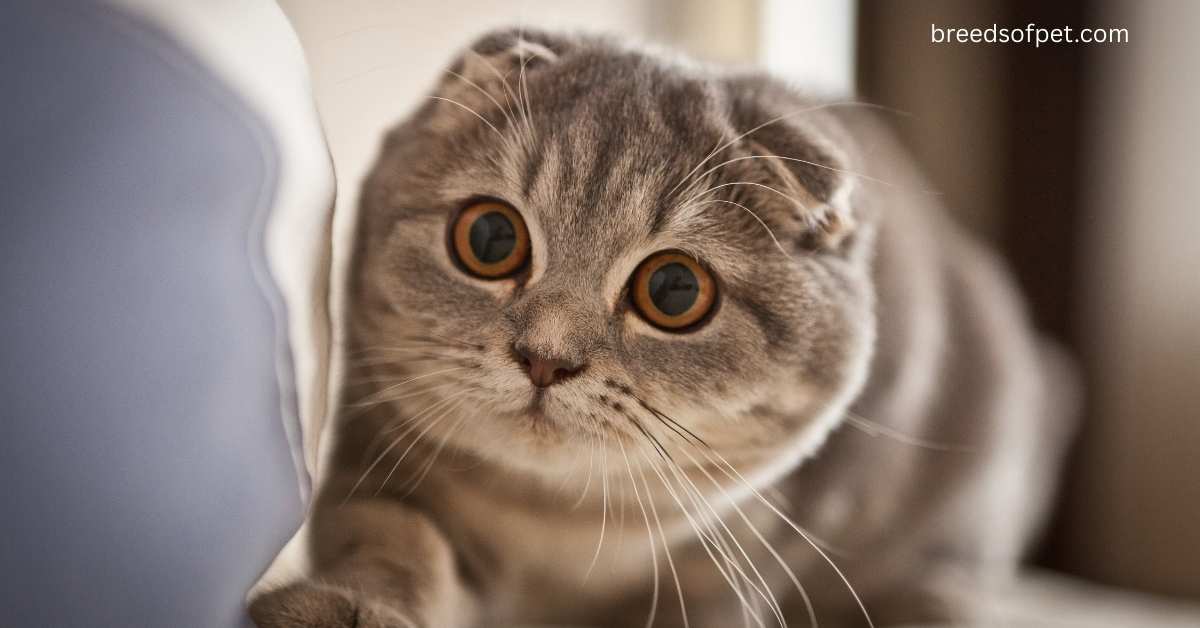
With its unique folded ears and beautiful demeanor, the Scottish Fold cat breed has enthralled cat aficionados all over. Since their mid-20th century discovery, these unusual cats—known for their mild demeanor and owl-like look—have grown in popularity as pets. Originating from a spontaneous genetic mutation affecting cartilage all over the body, the Scottish Fold most famously shown in their characteristic folded ears. Scottish Folds are much-loved for their flexible personalities, which fit many home environments even beyond their beautiful look. From its enigmatic beginnings to health issues, care needs, and why Scottish Fold lovers all around continue to find them appealing, this complete guide covers everything you need to know about the fold.
Physical Characteristics
Scottish Folds are medium-sized, uniquely rounded-looking cats. Usually weighing between six and thirteen pounds, males are bigger than females. Their bodies have rounded overall look and are muscular with well-paddedness.
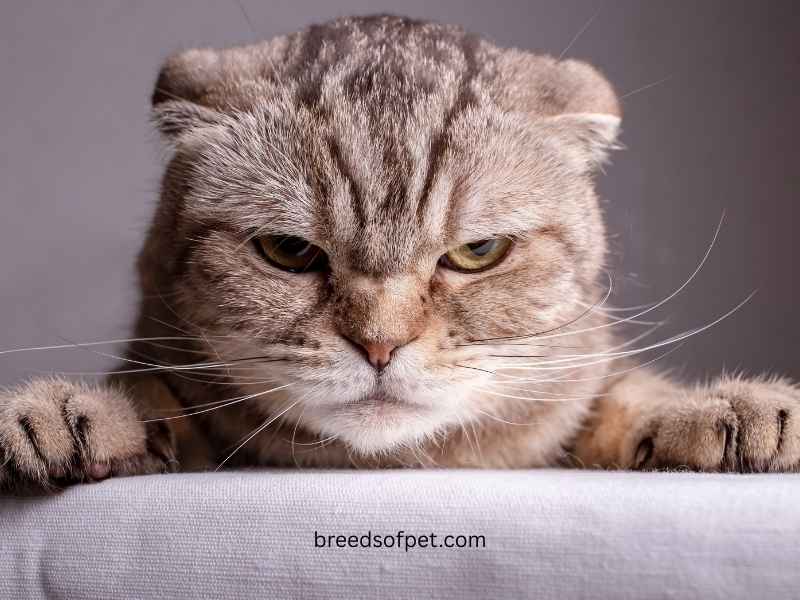
Of course, their folded ears define them most uniquely. The fold in the ear cartilage causes their ears to bend forward and down, therefore producing an owl-like or teddy bear-like appearance. Though not all Scottish folds have folded ears. “Straight” Scottish Folds retain the genetic legacy of the breed even if their ears are typical upright.
Their lovely appearance is enhanced by their round, well-defined, widely spaced eyes. Their short necks, rounded cheeks, and small nose help to define their whole rounded look.
Scottish Fold Colors
The great range of scottish fold colors and patterns accessible is one of the most attractive features of the Scottish Fold breed. Every color and pattern seen in cats is present in this breed, hence every Scottish Fold looks different.
Common solid colors include:
- Black
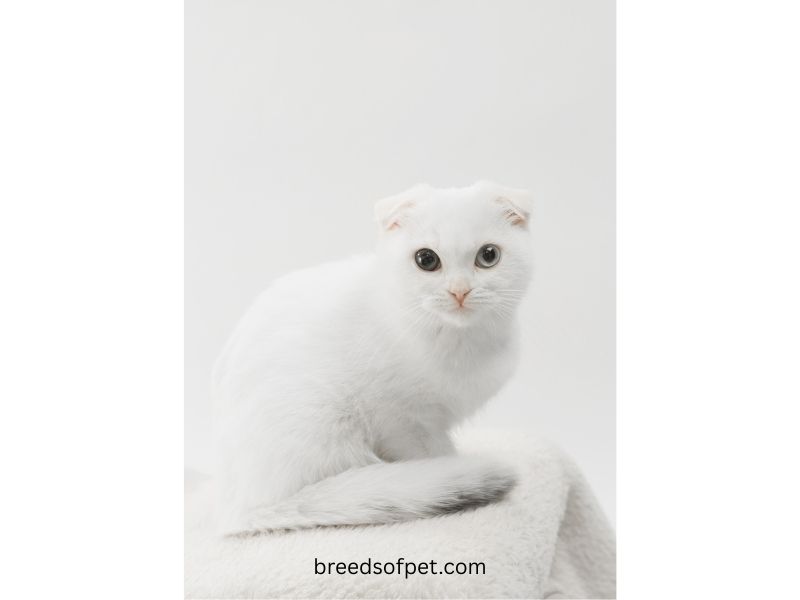
- White
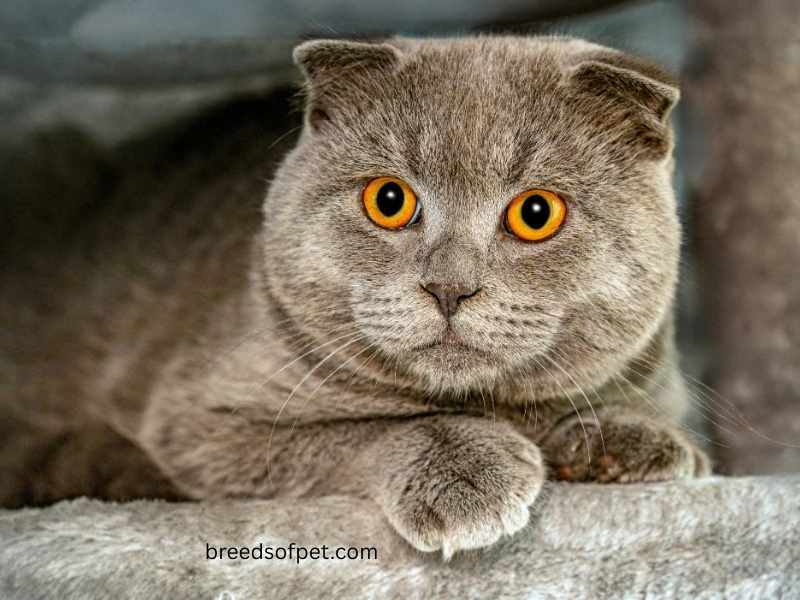
- Blue (gray)
- Cream
- Red (orange)
Popular patterns include:
- Tabby (classic, mackerel, spotted)
- Tortoiseshell
- Calico
- Bicolor
- Colorpoint (similar to Siamese markings)
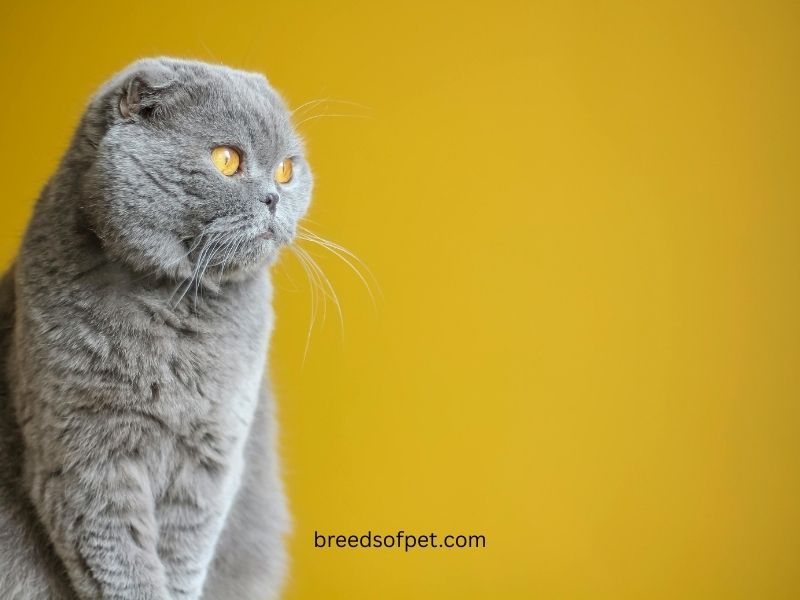
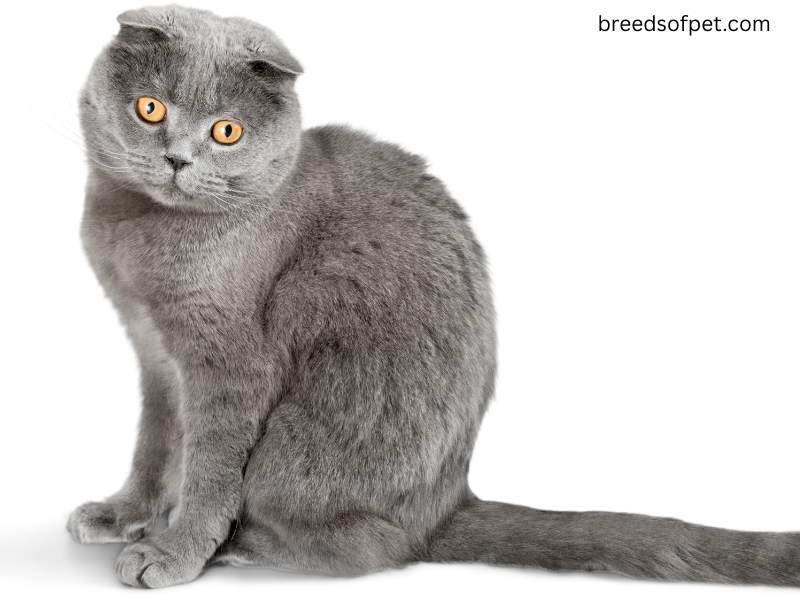
The scottish fold grey variation, Usually referred to as “blue” in cat fancy language, this is rather common. These kitties have a consistent bluish-gray coat that could vary in tones from mild to dark. Many find the stunning look created by the soft gray coat matched with brilliant golden or copper eyes captivating.
The brown scottish fold is another often used variant with a spectrum from a deep mahogany brown to a lighter tan tint. Especially frequent brown tabbies have unique striped patterns over a warm brown backdrop.
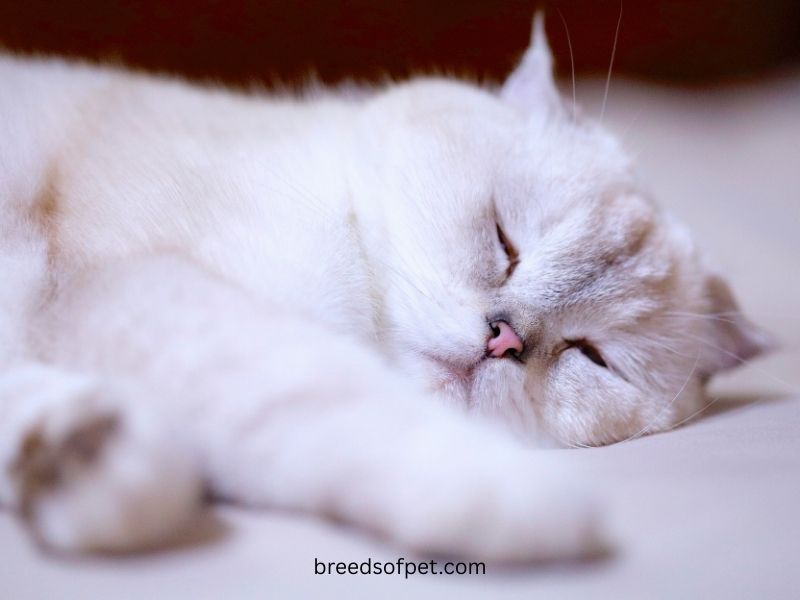
The scottish fold white is among the most dramatic-looking variations. One of each hue, blue, gold, or unusual eyes may be matched with these pure white coats of these cats. Like other white cats with blue eyes, white Scottish Folds with blue eyes may show higher incidence of deafness.
Coat Types
Scottish Folds come in two coat varieties:
- Shorthair: Dense, plush coat with a soft texture
- Longhair: Sometimes called “Highland Fold” – medium to long fur with tufts between toes and ears, and a ruff around the neck
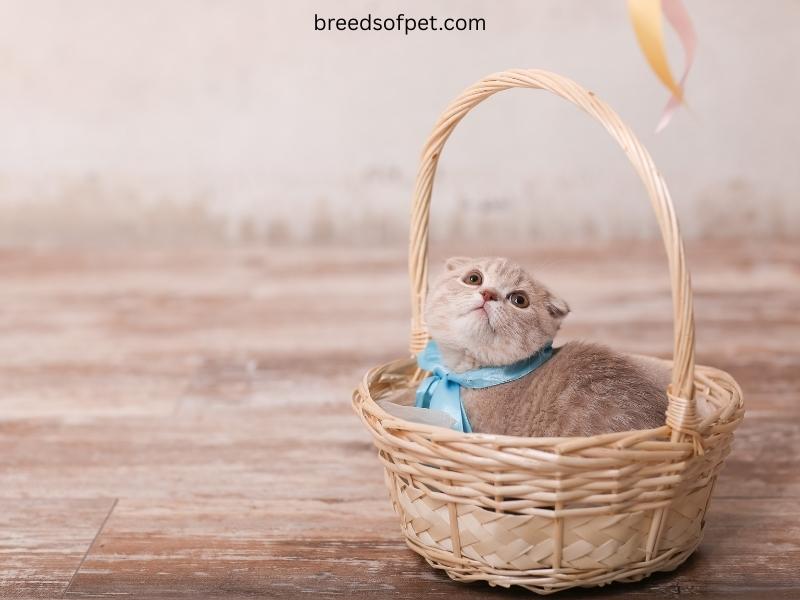
Both varieties require regular grooming to maintain coat health, with longhaired varieties needing more frequent attention to prevent matting.
Scottish Fold Temperament
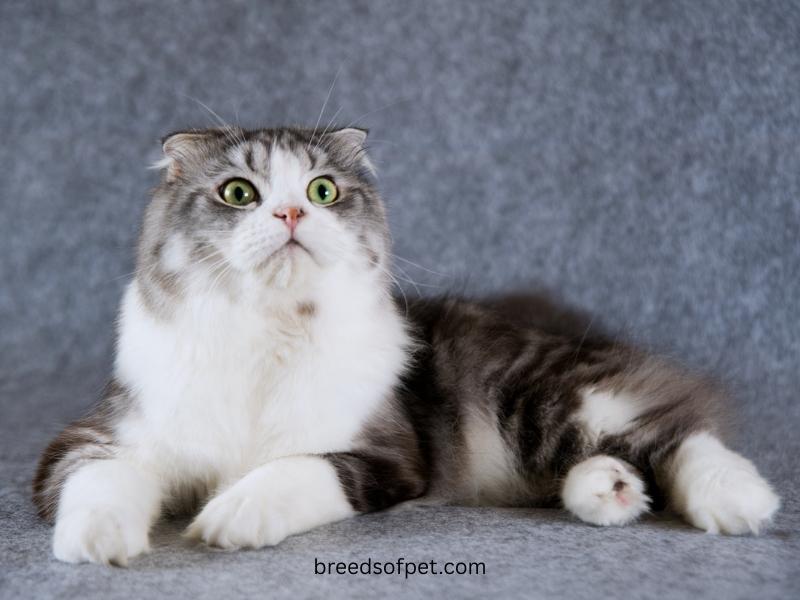
Scottish Folds are renowned for their charming, laid-back attitudes that complement their adorable look. They are great family cats as they usually become close to their human family members and treat other pets and children well.
These cats are very active, not too hyperactive but not also overly sluggish. While they like participatory play, they are as happy to snuggle up in a nice area close to their preferred persons. Many Scottish Fold owners say that their cats find great appeal in “perching” in odd postures, sometimes sitting straight on their haunches like little people.
Scottish Folds are typically:
- Adaptable to different living situations
- Moderately vocal with sweet, soft voices
- Intelligent and curious
- Sociable but not demanding of constant attention
Their laid-back attitude qualifies them for both houses and smaller flats. Though they value company, they usually do not have separation anxiety if left alone during working hours.
Health Considerations
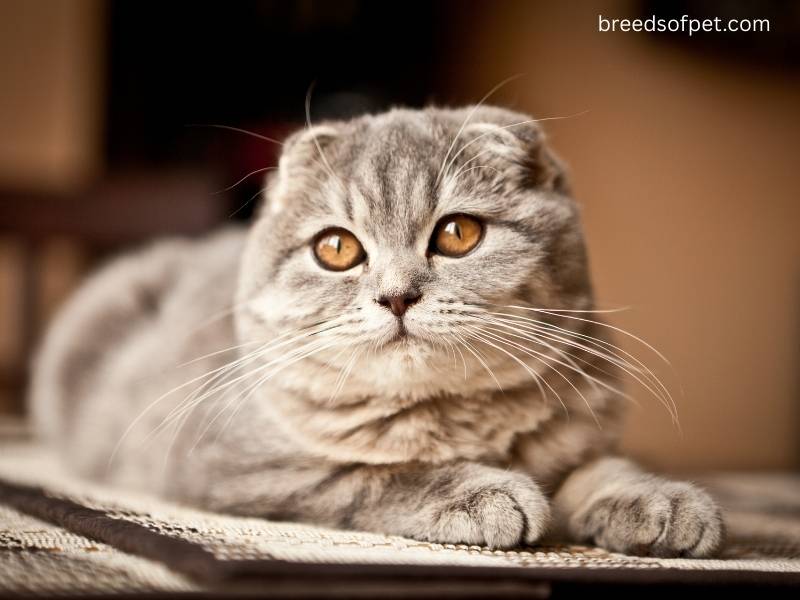
Although Scottish Folds are usually healthy cats, their folded ears also influence other cartilage in their body, which raises certain health issues. Responsible owners should know about these problems.
Osteochondrodysplasia
The most significant health concern for Scottish Folds is osteochondrodysplasia, a developmental abnormality affecting cartilage and bone throughout the body. Do all scottish folds have osteochondrodysplasia? Actually, all cats with folded ears have this condition to some degree, as it’s directly related to the gene that causes the ear fold.
In mild cases, cats may experience minimal discomfort, but in severe cases, this condition can lead to:
- Shortened, thick, and inflexible tails
- Stiffness in the legs
- Abnormal bone growth in the ankles and feet
- Arthritis and joint pain, especially as the cat ages
To minimize the risk of severe osteochondrodysplasia, ethical breeders never mate two folded-ear cats together, as kittens receiving the gene from both parents (homozygous) tend to develop more severe skeletal abnormalities. Instead, responsible breeders cross Scottish Folds with Scottish Straight cats or British Shorthairs.
Other Health Concerns
Beyond osteochondrodysplasia, Scottish Folds may be prone to:
- Hypertrophic Cardiomyopathy (HCM): A form of heart disease found in many cat breeds
- Polycystic Kidney Disease (PKD): An inherited condition causing cysts in the kidneys
- Ear Issues: Their unique ear structure can make them more prone to ear infections or ear mites if not kept clean
Lifespan
A common question among potential owners is “how long do scottish folds live?” With proper care, Scottish Folds typically enjoy a lifespan of 11-15 years, comparable to other domestic cat breeds. Some have been known to live into their late teens and even early twenties with exceptional care.
Factors affecting longevity include:
- Genetics
- Diet quality
- Exercise
- Regular veterinary care
- Indoor vs. outdoor lifestyle (indoor cats typically live longer)
- The severity of any osteochondrodysplasia
Scottish Fold Care
Caring for a Scottish Fold requires attention to their specific needs, particularly regarding their joint health and unique ears.
Grooming
A common question is “do scottish fold cats shed?” Like most cats, Scottish Folds do shed, though the amount varies depending on their coat type. Shorthaired varieties shed moderately, while longhaired Scottish Folds shed more profusely, especially during seasonal changes.
Regular grooming recommendations:
- Shorthair: Brush once or twice weekly to remove loose hair
- Longhair: Brush 3-4 times weekly to prevent matting and hairballs
- Ears: Clean gently when needed with a vet-approved solution
- Nails: Trim every 2-3 weeks
- Teeth: Brush regularly to prevent dental disease
Diet and Exercise
Scottish Folds are prone to weight gain, which can exacerbate joint problems related to osteochondrodysplasia. A balanced diet appropriate for their age, size, and activity level is crucial.
Exercise recommendations:
- Interactive play sessions daily to maintain joint mobility
- Puzzle toys to provide mental stimulation
- Cat trees and perches for climbing (with accommodations for cats showing signs of joint stiffness)
Special Considerations
Due to their potential joint issues, Scottish Folds benefit from:
- Easily accessible litter boxes with low sides
- Ramps or steps to help them reach favorite perches
- Soft, supportive bedding
- Regular veterinary check-ups to monitor joint health
Scottish Fold vs. Other Breeds
When considering a Scottish Fold, many prospective owners compare them to similar breeds to determine which might be the best fit for their household.
British Shorthair vs Scottish Fold
The british shorthair vs scottish fold comparison is common since British Shorthairs are often used in Scottish Fold breeding programs, and they share many physical traits except for the folded ears.
Key differences include:
| Characteristic | Scottish Fold | British Shorthair |
| Ears | Folded forward and down | Upright and rounded |
| Body Type | Medium, rounded | Larger, more cobby |
| Personality | Playful, adaptable | Reserved, independent |
| Health Concerns | Osteochondrodysplasia risk | Fewer breed-specific issues |
| Price | Generally higher | Usually lower |
British Shorthairs tend to be more independent and less demanding of attention than Scottish Folds. They also typically have fewer breed-specific health concerns, making them sometimes a more economical choice in terms of potential veterinary expenses.
Scottish Fold and Russian Blue
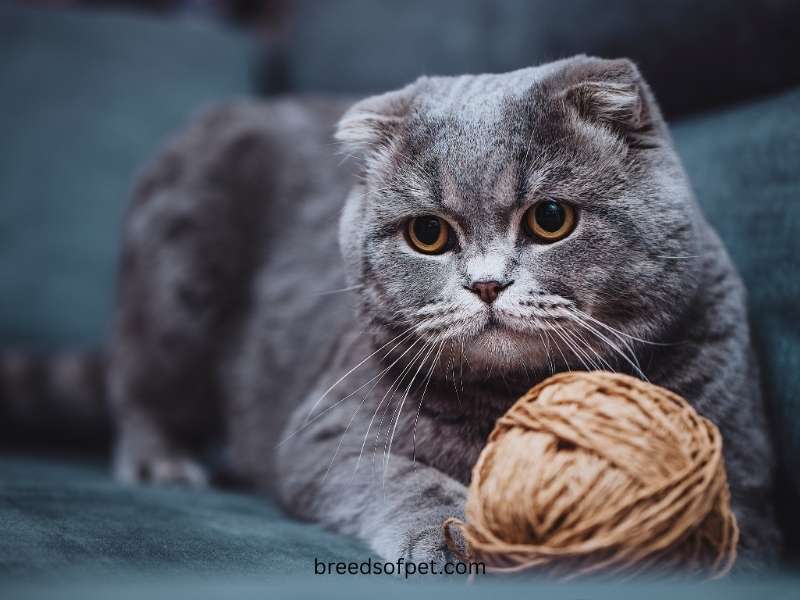
The scottish fold and russian blue combination is less common but still exists in some breeding programs. The russian blue scottish fold mix would theoretically combine the distinctive folded ears with the sleek, blue-gray coat of the Russian Blue.
Pure Russian Blues differ from Scottish Folds in several ways:
| Characteristic | Scottish Fold | Russian Blue |
| Body Type | Medium, rounded | Slender, elegant |
| Coat | Various colors/patterns | Always blue-gray |
| Eyes | Various colors | Always green |
| Personality | Adaptable, playful | Shy with strangers, devoted to owners |
The scottish fold grey color variant might look similar to a Russian Blue at first glance, but the body structure and facial features remain quite different. Russian Blues have a more angular face and sleeker body compared to the round features of Scottish Folds.
According to publications like the scottish fold and russian blue eg nyt (New York Times), these elegant cats have distinct historical origins and different care requirements despite some superficial similarities in appearance when the Scottish Fold has a blue-gray coat.
Scottish Fold Hypoallergenic Properties
A frequent question from allergy sufferers is “are scottish folds hypoallergenic?” The simple answer is no, Scottish Folds are not considered hypoallergenic cats.
No cat breed is truly 100% hypoallergenic, but some breeds produce fewer allergens than others. The main cat allergen, Fel d 1, is found in cat saliva, skin oils, and dander—not in the fur itself, though fur can carry these allergens.
Scottish Folds produce average levels of Fel d 1 protein and shed moderately to heavily depending on their coat type, making them less suitable for people with moderate to severe cat allergies.
Breeds considered more “hypoallergenic” include:
- Siberian
- Balinese
- Russian Blue
- Bengal
- Sphynx
For mildly allergic individuals who have their heart set on a Scottish Fold, these steps may help reduce allergen exposure:
- Regular grooming (ideally by a non-allergic household member)
- HEPA air purifiers
- Frequent vacuuming
- Keeping the cat out of bedrooms
- Washable slipcovers on furniture
Scottish Fold Artistic Appeal
The Scottish Fold’s distinctive appearance has made it a favorite subject in cat art, photography, and social media.
Scottish Fold Silhouette
The scottish fold silhouette is immediately recognizable due to the distinctive folded ears that give the cat’s head a rounded, owl-like appearance. This unique profile makes Scottish Folds popular subjects for:
- Cat-themed jewelry
- Logo designs
- Art prints
- Tattoo designs
The round head, folded ears, and stocky body create a compact, distinctive outline that differentiates Scottish Folds from other cat breeds even in simple silhouette form.
Famous Scottish Folds
Several Scottish Folds have achieved celebrity status:
- Maru: A Japanese Scottish Fold known for jumping into boxes, with millions of YouTube views
- Taylor Swift’s cats: Olivia Benson and Meredith Grey, both Scottish Folds
- Waffles: A social media star with over 2.3 million Instagram followers
These famous felines have helped increase the breed’s popularity and showcase their photogenic qualities and charming personalities.
Adopting a Scottish Fold
If you’re considering adding a Scottish Fold to your family, there are several important factors to consider.
Finding a Responsible Breeder
Due to the health concerns associated with the folded ear gene, it’s crucial to work with ethical breeders who:
- Never breed folded-ear to folded-ear cats
- Screen breeding cats for genetic health issues
- Provide health guarantees
- Allow you to see their breeding facilities and meet the kitten’s parents
- Don’t separate kittens from their mothers before 12 weeks of age
Responsible breeders will be knowledgeable about osteochondrodysplasia and other breed-specific health concerns and will be forthcoming about potential issues.
Adoption Costs
Scottish Folds are relatively rare and in high demand, making them more expensive than many other cat breeds:
- Pet-quality kittens: $1,500-$2,500
- Show-quality kittens: $2,500-$5,000+
- Adult rescues (rare): $300-$800
These costs reflect their popularity and the care needed to breed them responsibly.
Rescue Options
While less common in shelters than mixed-breed cats, Scottish Folds sometimes become available for adoption through:
- Breed-specific rescue organizations
- General cat rescues
- Owner surrenders
Adopting an adult Scottish Fold can be advantageous as their personality is already established, and any health issues may already be apparent.
Living with a Scottish Fold
Scottish Folds make wonderful companions for many different types of households when their specific needs are understood and accommodated.
Home Environment
These adaptable cats do well in various living situations:
- Apartments (they’re not particularly noisy)
- Family homes with children
- Multi-pet households
- Homes with single owners
They don’t typically require access to outdoor spaces, though secure enclosed patios or “catios” are appreciated if available.
Compatibility
Scottish Folds generally get along well with:
- Children who understand proper cat handling
- Cat-friendly dogs
- Other cats
- Even calm small pets with proper introduction
Their easygoing temperament makes them suitable for families, though their potential joint issues mean they should be handled gently and not subjected to rough play.
Daily Life
A day in the life of a Scottish Fold might include:
- Moderate play sessions interspersed with naps
- “Helping” with work by sitting nearby or on laps
- Observing household activities from comfortable perches
- Interactive play with toys that don’t require excessive jumping or climbing if they have joint issues
Scottish Fold Controversy
Despite their popularity, Scottish Folds are not without controversy in the cat fancy world.
Ethical Considerations
The primary ethical concern revolves around the question: “do all scottish folds have osteochondrodysplasia?” While the severity varies, the gene that causes the cute folded ears also causes this cartilage and bone development disorder to some degree in all cats with folded ears.
Some animal welfare organizations and veterinarians argue that breeding cats specifically for a trait that causes a skeletal disorder raises ethical questions. Several countries have restricted or banned Scottish Fold breeding:
- The United Kingdom (GCCF doesn’t recognize the breed)
- Australia (restricted in some states)
- Parts of Europe
Proponents of the breed argue that responsible breeding practices (never breeding fold-to-fold) minimize health risks while preserving the unique appearance that many cat lovers appreciate.
Making an Informed Decision
Potential owners should consider:
- The potential for joint pain and mobility issues as the cat ages
- Higher than average veterinary costs
- The ethical implications of supporting breed development
For those who decide to bring a Scottish Fold into their home, working with ethical breeders and providing proactive health care can help ensure the best quality of life for these distinctive cats.
FAQ About Scottish Folds
How can I tell if a kitten will have folded ears?
Scottish Fold kittens are born with straight ears. The fold usually begins to develop between 18-24 days of age, though some kittens’ ears may take up to 4 weeks to fold. Not all kittens in a litter will develop folded ears, even with a folded-ear parent, as the trait is dominant but has incomplete penetrance.
Are white Scottish Folds deaf?
Scottish fold white cats, especially those with blue eyes, have a higher risk of congenital deafness than other color varieties. This is true for all white cats with blue eyes, not just Scottish Folds. Not all white Scottish Folds are deaf, but potential owners should ensure breeders test white kittens’ hearing before adoption.
Do Scottish Folds require special furniture or accommodations?
As Scottish Folds age, some may develop stiffness or arthritis due to osteochondrodysplasia. Providing ramps to favorite perches, easily accessible litter boxes with low sides, and comfortable bedding can help accommodate these needs. Younger, healthy Scottish Folds may not need special accommodations.
Is it painful for Scottish Folds to have folded ears?
The ear fold itself is not typically painful for the cats. The cartilage mutation makes the ear cartilage less rigid, allowing it to fold forward. However, the same gene can affect other cartilage throughout the body, potentially leading to joint pain as the cat ages.
Can Scottish Folds hear as well as other cats?
Yes, the folded ears don’t significantly impact a Scottish Fold’s hearing ability. Their ear canals remain open and functional despite the folded appearance of the outer ear.
Why are Scottish Folds so expensive?
Scottish Folds are relatively rare and in high demand, partly due to their distinctive appearance and partly because ethical breeding practices limit breeding pairs (since fold-to-fold breeding is avoided). The need for genetic testing and potential for higher veterinary costs also contributes to their higher price tag.
Can I see a Scottish Fold’s silhouette before adopting?
The scottish fold silhouette is distinctive but varies depending on whether the cat has single-folded, double-folded, or triple-folded ears. Kittens’ final ear position may not be fully evident until around 12 weeks of age, so the definitive silhouette might not be apparent immediately.
Are there color variations specific to this breed?
While scottish fold colors encompass virtually all feline color possibilities, there are no colors exclusive to Scottish Folds. However, certain colors like the scottish fold grey (blue) and brown scottish fold are particularly popular among enthusiasts.
How do Scottish Folds compare to British Shorthairs in temperament?
In the british shorthair vs scottish fold comparison, Scottish Folds are generally considered slightly more playful and affectionate, while British Shorthairs tend to be more reserved and independent. Both breeds are relatively calm and adapt well to indoor living.
Is Scottish Folds Good Choice For You?
Scottish Folds’ unique beauty and kind nature have won over cat lovers worldwide. Lovely Scottish fold cats from a Scottish farm are now beloved pets.
From traditional grey and white to warm brown, Scottish Fold has a color for almost any style. Round faces and folded ears give them the Scottish fold silhouette cat lovers enjoy.
The common questions “are scottish folds hypoallergenic?” and “do scottish fold cats shed?” are addressed, although most cat owners can handle them. Scottish folds may live 11-15 years or more in your home, answering “how long do scottish folds live?”
British shorthair vs. scottish fold or russian blue scottish fold mix owners should carefully analyze appearance and temperament. Most importantly, prospective Scottish Fold owners should understand about the breed’s health difficulties, including “do all scottish folds have osteochondrodysplasia?”—though severity varies.
Scottish Folds may be healthy, attractive pets that provide joy to their families with proper care, breeding, and ownership.
Additional Resources
For more information about Scottish Folds, consider these resources:
- The Cat Fanciers’ Association (CFA) breed profile: https://cfa.org/scottish-fold/
- The International Cat Association (TICA) breed information: https://tica.org/breeds/browse-all-breeds?view=article&id=857
- Cornell University College of Veterinary Medicine – Feline Health Center: https://www.vet.cornell.edu/departments-centers-and-institutes/cornell-feline-health-center
- Journal of Feline Medicine and Surgery’s research on osteochondrodysplasia in Scottish Fold cats: https://journals.sagepub.com/home/jfm
- Scottish Fold Cat Club: https://scottishfoldcatclub.org/
Note: Always consult with a veterinarian regarding the specific health needs of your Scottish Fold cat.
Read More https://breedsofpet.com/